
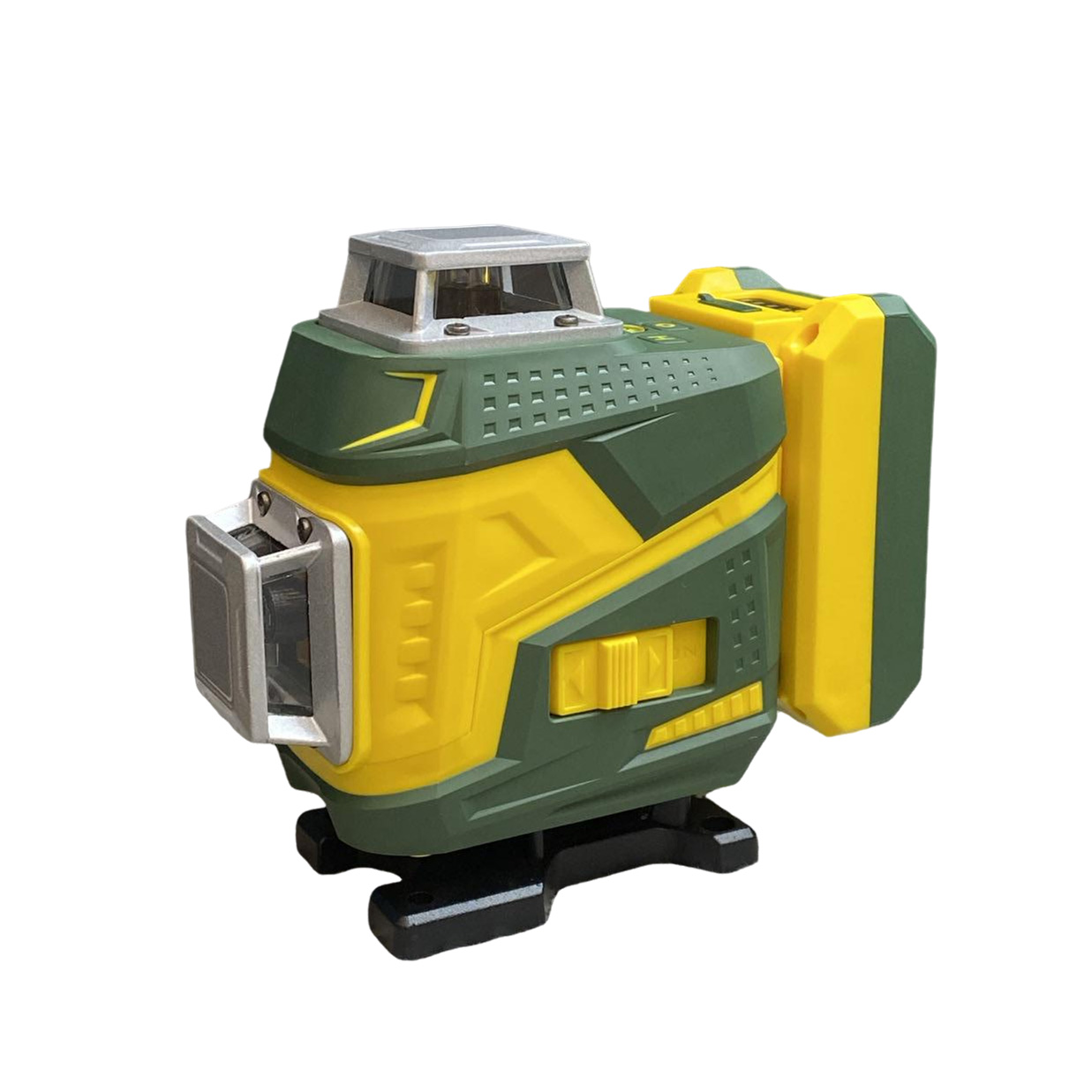
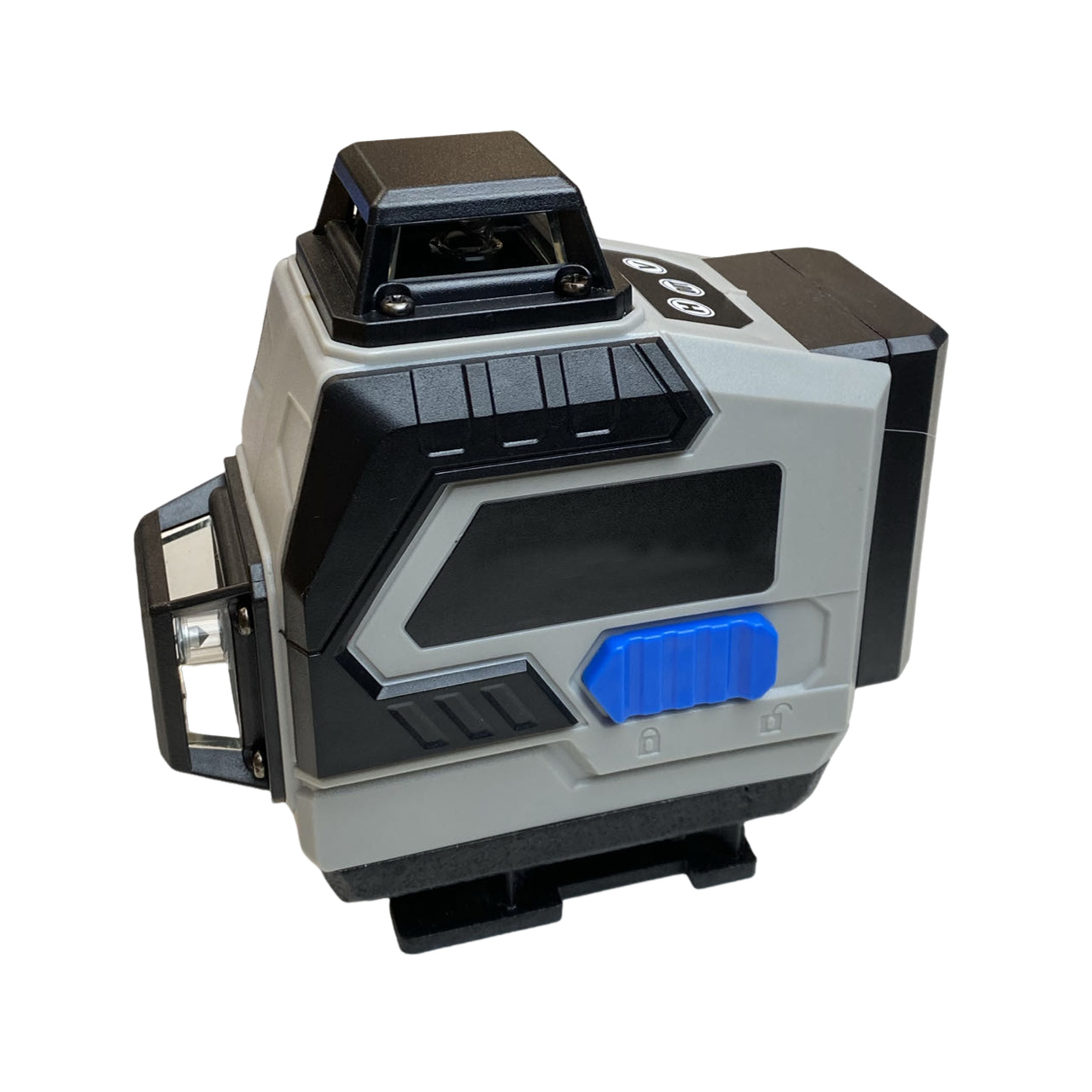
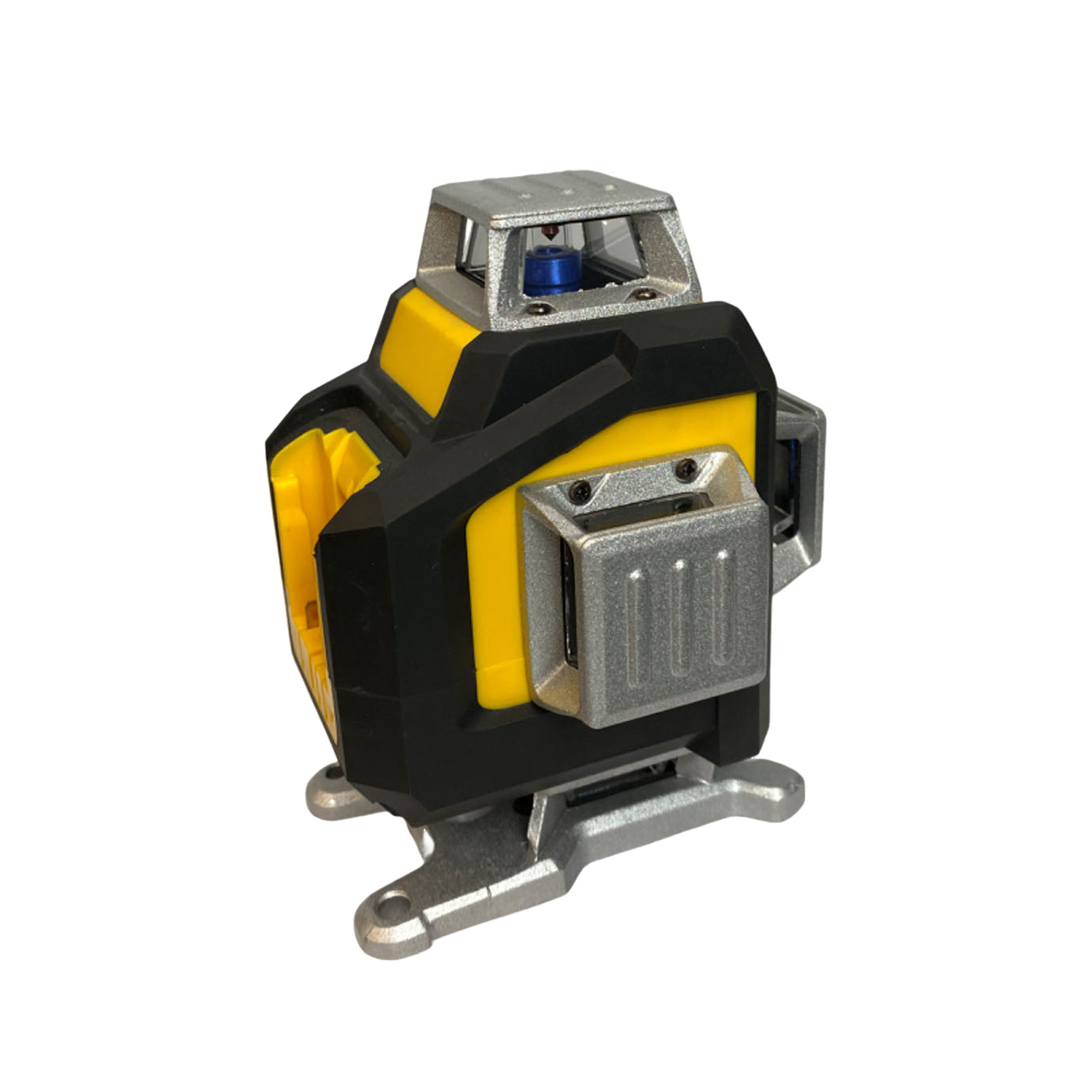
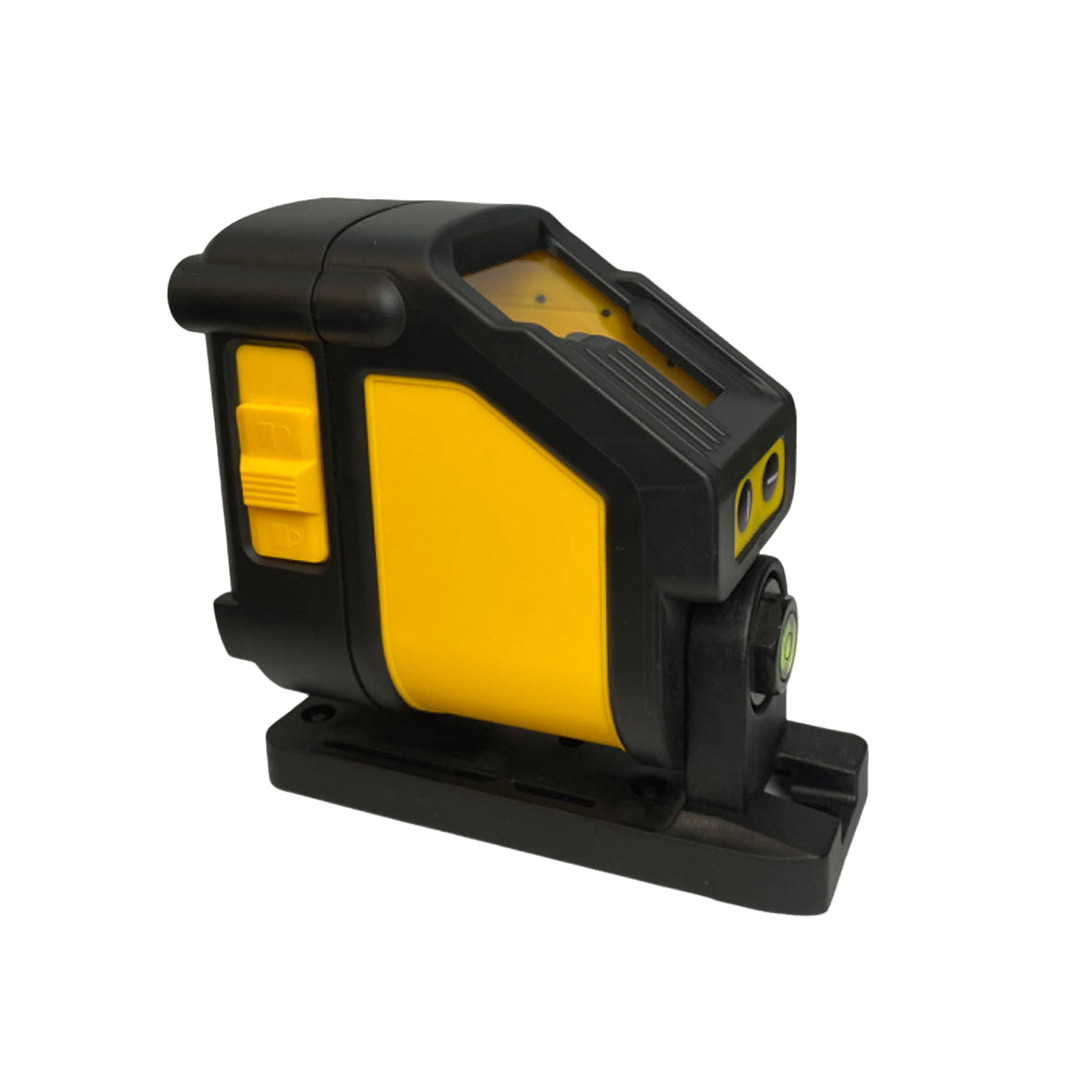
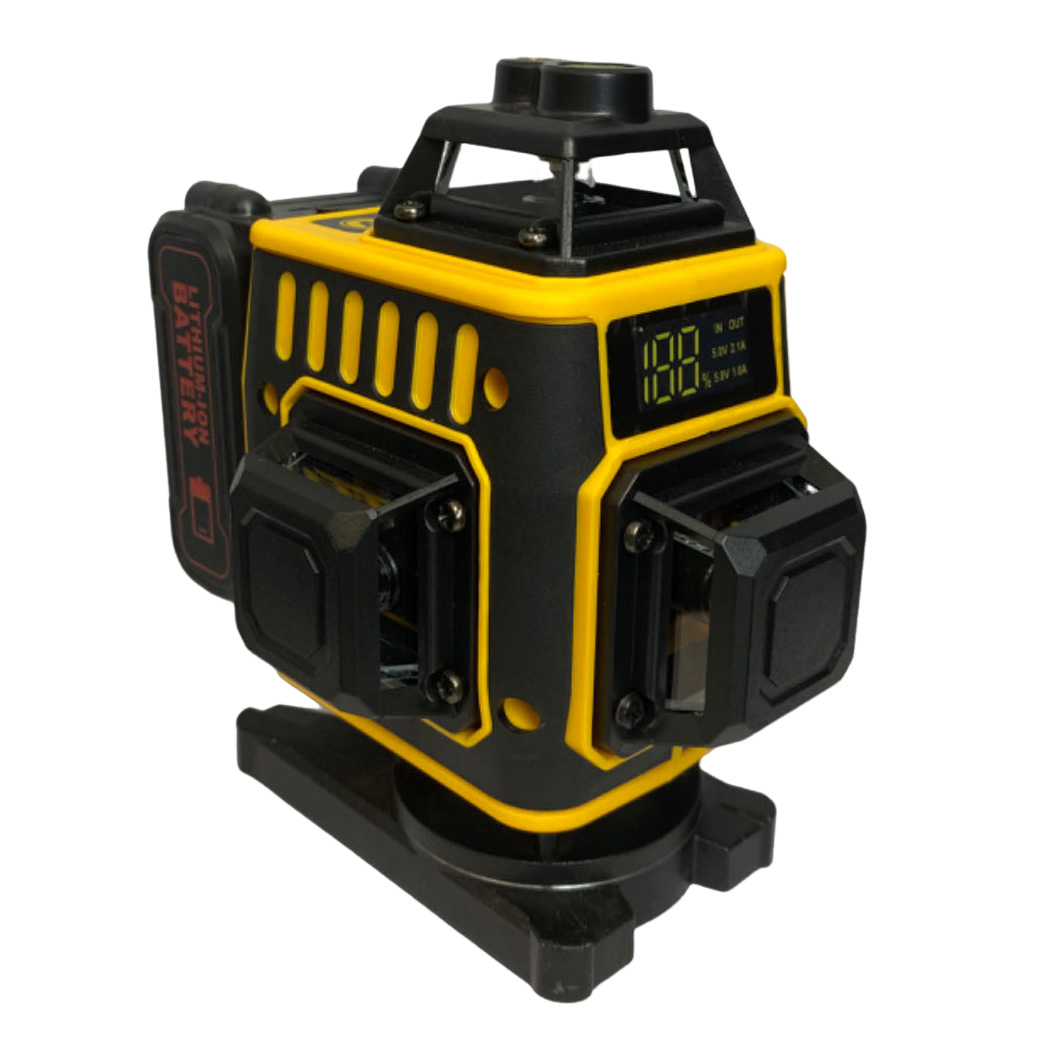
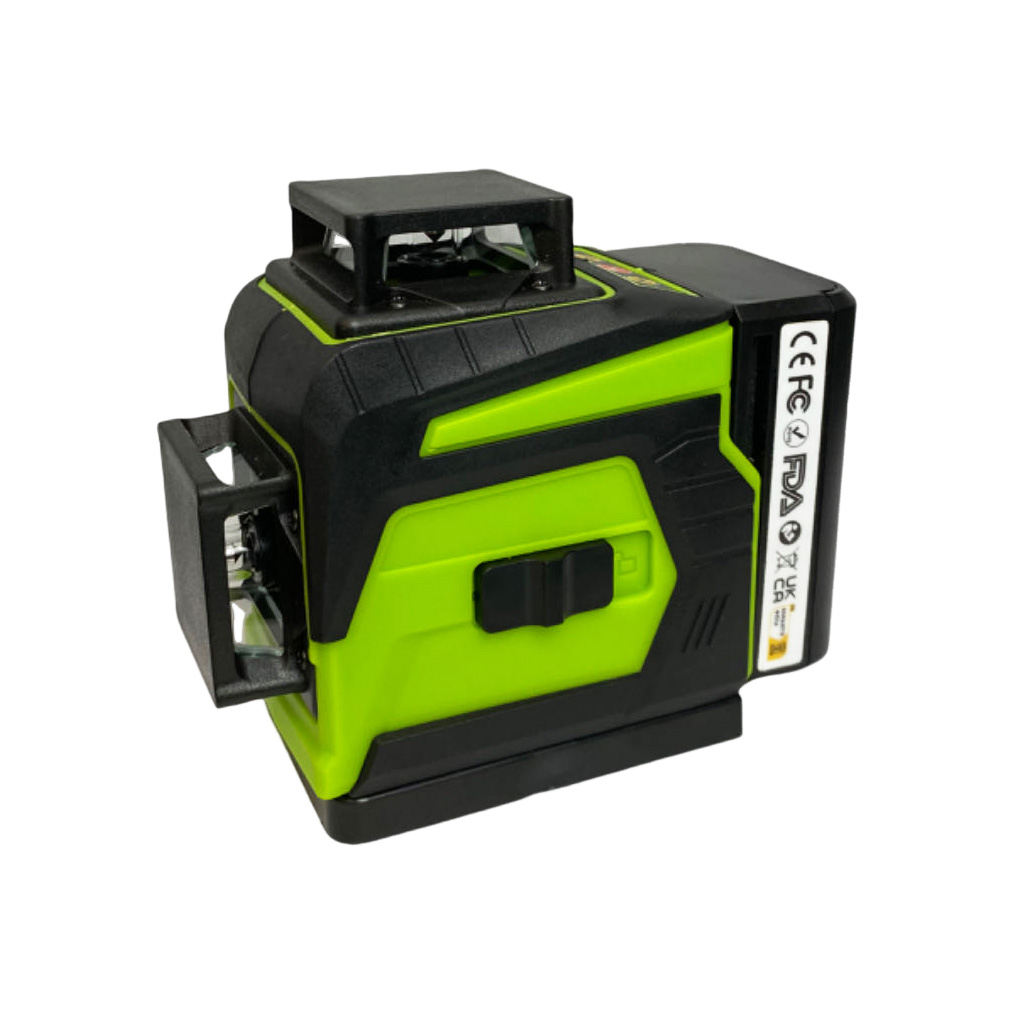
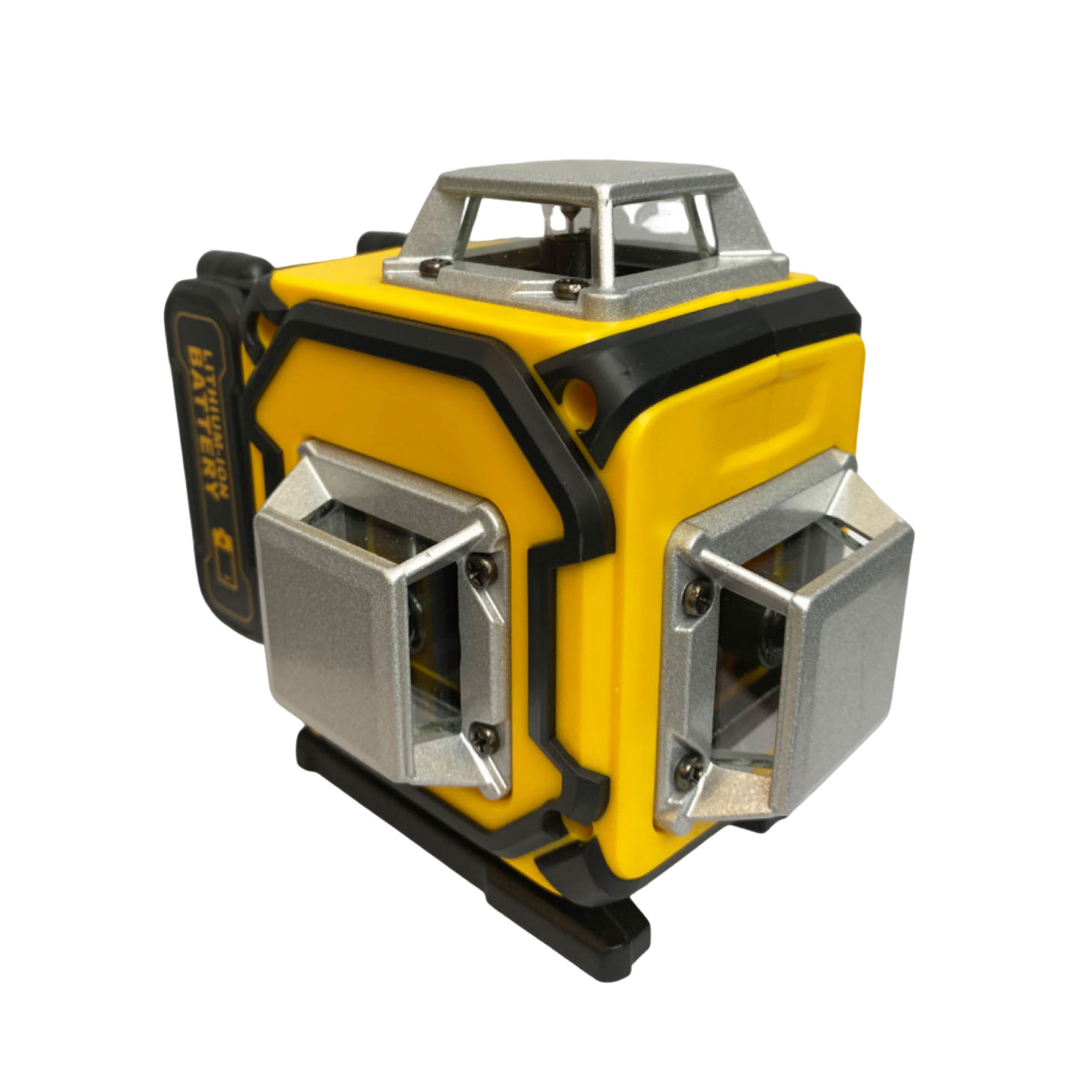
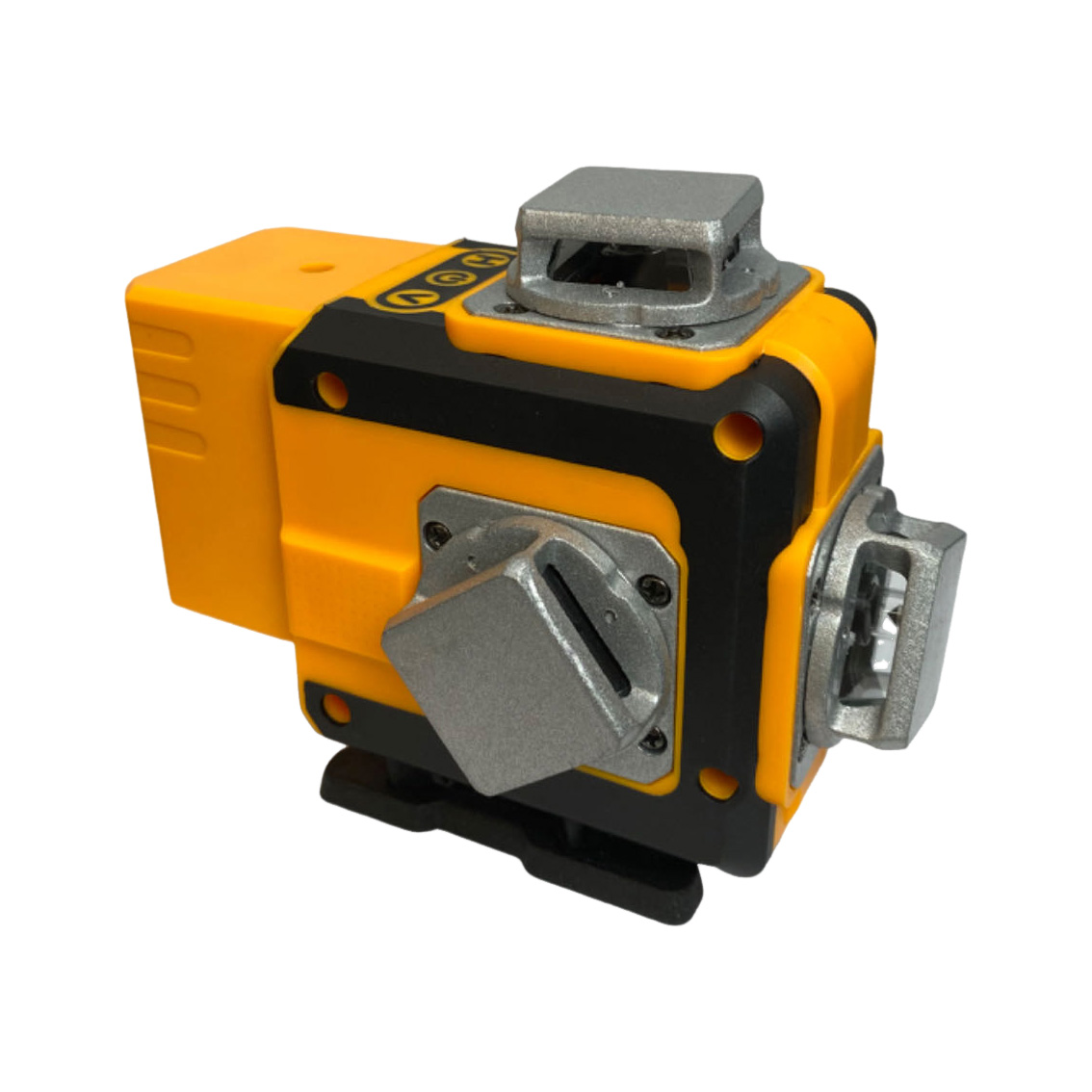


In modern construction and DIY projects, laser levels have become an invaluable tool for achieving accuracy and precision. They project a perfectly level line onto a surface, saving countless hours compared to traditional spirit levels and string lines. But when you start shopping for one, you're immediately faced with a primary choice: red or green? This decision is more than just aesthetic; it impacts visibility, battery life, cost, and overall performance. As a manufacturer, I've seen the industry evolve, and I understand the technology behind both options. For professionals like my client, Mark, who need to source the most efficient tools, understanding the green laser level vs. red laser level debate is key. This guide will illuminate the differences and help you choose a laser that will enhance your precision and efficiency on any construction site.
What Is the Core Scientific Difference Between Red and Green Lasers?
At its most basic level, the difference between red and green laser light comes down to wavelength. The light we see is part of the electromagnetic spectrum, and each color has a specific wavelength. Red light has a longer wavelength (around 635-650 nanometers), while green light has a shorter, more central wavelength (around 510-530 nm). This might seem like a minor technical detail, but it's the entire reason for the debate. The human eye is most sensitive to light in the middle of the visible spectrum, which happens to be right where green light sits.
The technology used to create the beam also differs. Red lasers are simpler and more direct. A laser diode directly produces red light, a process that is energy-efficient and cost-effective to manufacture. For years, creating a green laser beam was more complex, requiring a process where an infrared laser was passed through crystals to double its frequency into the green spectrum. This was inefficient and power-hungry. However, modern laser technology has led to the development of direct green diodes, which are making green lasers more efficient, though they still tend to be more complex and expensive than their red counterparts.
Visibility Showdown: Why Does a Green Laser Beam Appear So Much Brighter?
This is the number one reason why green lasers are growing in popularity. Due to the human eye's peak sensitivity to the green wavelength, a green laser beam appears significantly brighter and sharper than a red laser beam of the exact same power output. In fact, a green laser can be up to four times more visible to the human eye. This enhanced visibility has profound practical implications on a job site.
Imagine you're an electrician running conduit across a large, brightly lit commercial warehouse. With a red laser level, the laser line might become faint or disappear completely over a long distance. You'd waste time walking back and forth, trying to find your mark. With a green laser level, the brighter green beam remains crisp and clear, allowing you to work faster and with more confidence. This superior visibility makes green lasers an excellent choice for indoors projects in areas with a lot of ambient light, allowing you to see the laser without squinting.

Are Green Lasers Really the Best Choice for Outdoor Use?
This is a common misconception. While a green laser is more visible to the naked eye than a red laser, direct sunlight is powerful enough to wash out any color of laser beam over a significant distance. You might get a slightly better visibility range with green on a heavily overcast day, but for reliable outdoor use in sunny conditions, neither color is a magic bullet.
The true solution for using your laser outdoors is a laser detector. This is a small, handheld device that you move along a grade rod. It electronically detects the laser beam—even when it's completely invisible to your eye—and beeps to let you know when it's perfectly level. When working outdoors for tasks like grading, foundation layout, or fence building, a detector is not optional; it's essential. Therefore, while a green beam laser might feel easier to use in some outdoor shade, a quality red laser level paired with a reliable detector is just as effective and more budget-friendly.
"When working in bright conditions or over long distances, a laser receiver, also known as a laser detector, is essential for finding the laser beam. It can extend the range of a laser level up to 200 feet or more." - Johnson Level & Tool
Red vs. Green Laser Level: How Do They Compare on Battery Life?
For any professional using cordless tools, battery life is a critical concern. Downtime spent changing batteries is lost money. This is an area where red lasers have traditionally held a clear advantage. The direct-diode technology used to create a red beam is highly energy-efficient. Because the older technology for green lasers was so inefficient, they were known for draining batteries quickly.
As mentioned, new direct green diode technology is improving the situation, but as a general rule, a red laser level will still offer a longer battery life from the same set of batteries compared to a green laser level of similar power. This is a significant factor to consider, especially for professionals who will be using a laser for a full workday. If your work primarily takes place indoors or in low-light conditions where a red beam is perfectly visible, opting for a red laser could mean more uptime and less hassle.
Why Do Green Laser Levels Typically Cost More Than Red Ones?
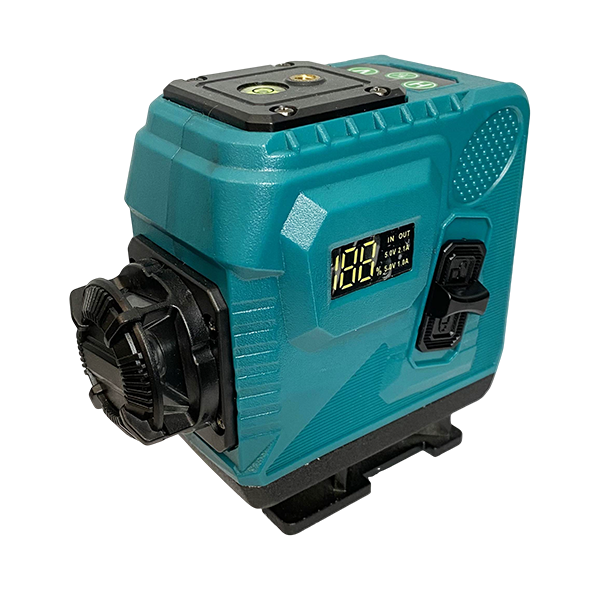
The price tag is often the deciding factor when it comes to choosing a tool. There's no getting around it: green laser levels tend to be more expensive than their red counterparts. This price difference stems directly from the manufacturing process. The electronic components and better laser diodes required to produce a stable, reliable green laser beam are more complex and costly to produce.
For a procurement officer or a small business owner, this means conducting a cost-benefit analysis. Is the enhanced visibility of the green beam going to increase productivity enough to justify the higher initial investment? For some trades, like commercial drywall installers or HVAC technicians working in large, bright spaces, the answer is often yes. The time saved by not having to search for a faint laser line quickly pays for the tool. For general residential construction or DIY projects, the cost-effective and reliable traditional red laser is often the more prudent financial choice.
Line Laser vs. Rotary Laser: Does the Color Matter for the Type of Tool?
Yes, the type of laser level you're using can influence which color is more beneficial. Choosing the right type of tool is just as important as choosing the color.
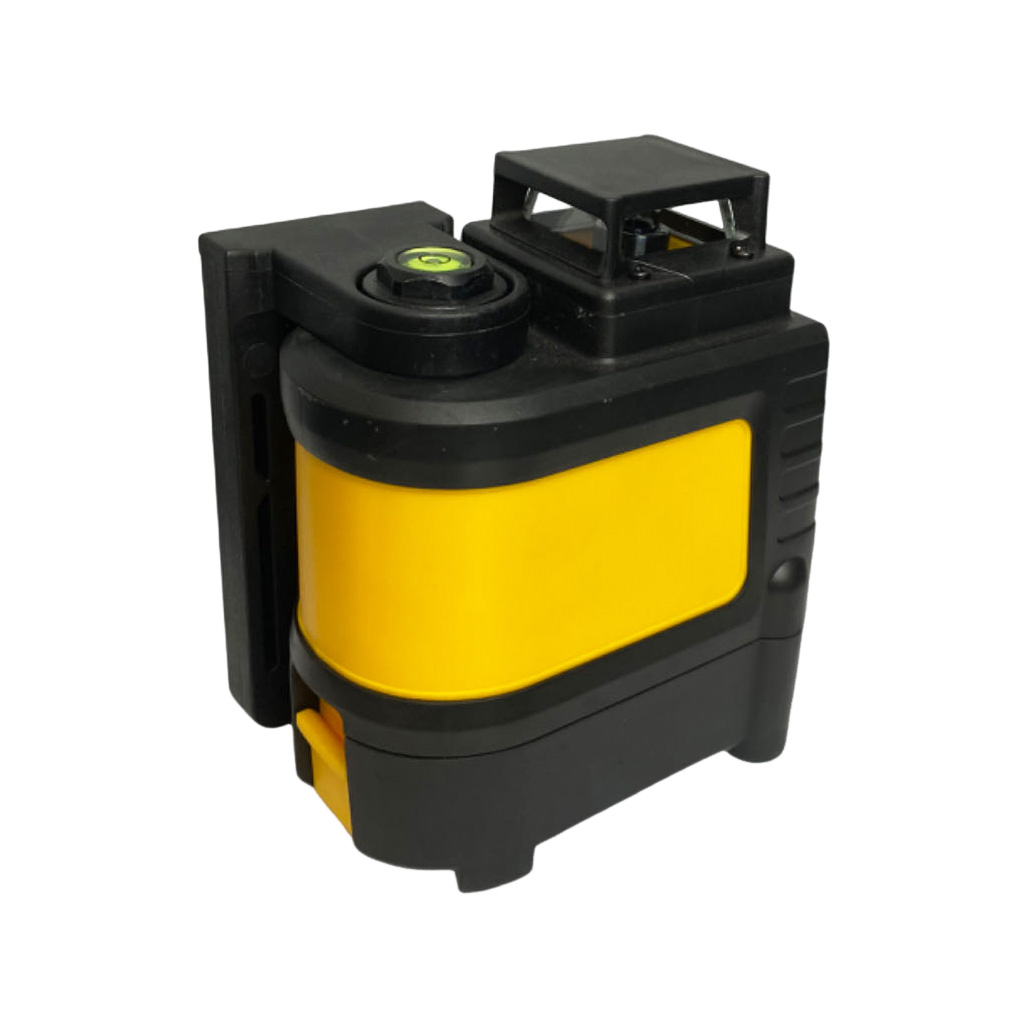
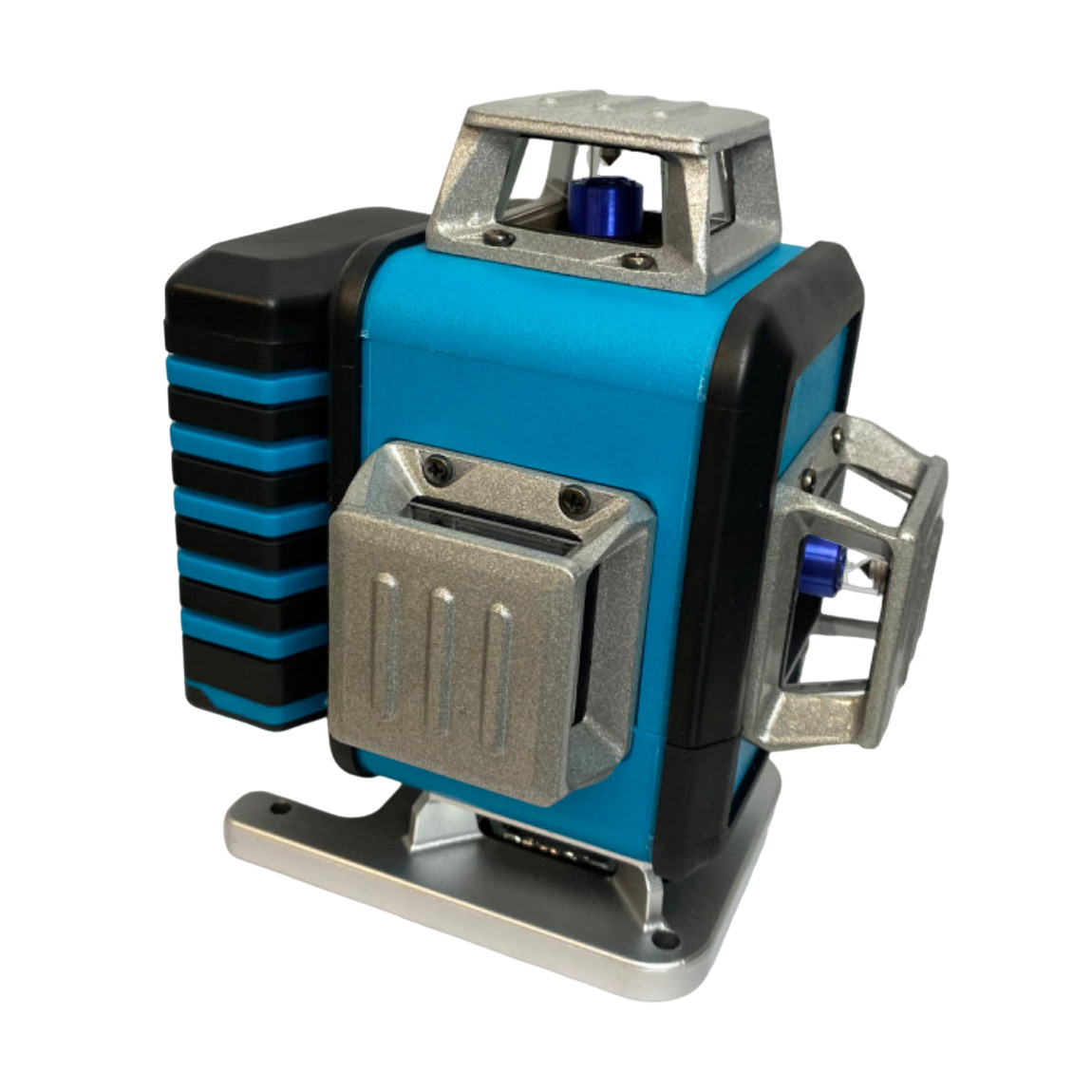
Line Laser: These tools project one or more lines (horizontal and/or vertical) onto a surface. They are typically used for interior work over shorter distances, such as installing cabinets, tile, or drop ceilings. In these applications, you are almost always relying on your eyes to see the line. Therefore, the superiorvisibilityof agreen linelaser can be a massive advantage, especially in well-lit rooms. Our range of versatile laser level models includes excellent green options for this very reason.Rotary Laser: Arotary laserspins a single point of light at high speed to create a continuous, 360-degree level line around an entire job site. These are the go-to tools for large-scale projects like grading land, setting foundation forms, or doing a comprehensivesurvey. Because arotarylaseris used over a verylonger range, you will almost exclusively beusing a laserdetector. Since your eye isn't the primary tool for finding thebeam, the color is far less important. Ared rotary laseris often the industry standard because it's cost-effective and, when paired with adetector, performs the job perfectly.
Under What Conditions is a Red Laser Level the Smarter Choice?
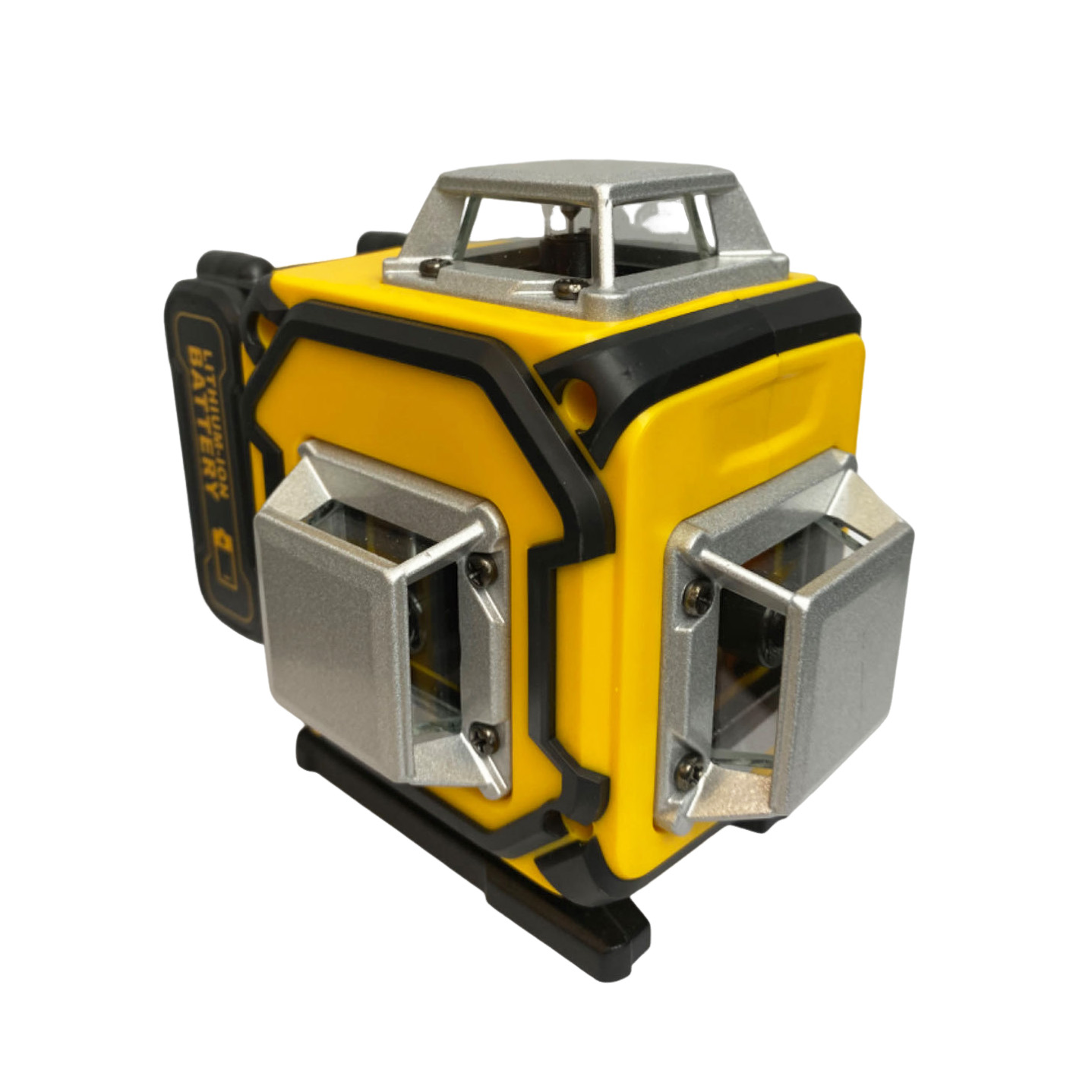
While the buzz is often around green lasers, red lasers have always been the workhorse of the industry for good reason. A red laser level is the best choice when:
- You're on a budget. They offer professional-grade accuracy at a much more accessible price point.
- You primarily work indoors in standard lighting conditions. For most residential framing, plumbing, or electrical work, a red
beamprovides plenty ofvisibility. - Maximizing battery life is a priority. You'll get more hours out of each charge, keeping you productive on the job.
- Your work is mainly outdoors or long-range. Since you'll be using a
detectoranyway, the added cost of a greenbeamprovides little to no practical benefit.
When Should You Absolutely Invest in a Green Laser Level?
A green laser level is a premium tool, and investing in one makes sense when your work will directly benefit from its primary advantage: superior visibility. You should opt for a green laser when:
- You work extensively indoors in very bright environments. This includes commercial construction sites with large windows, well-lit warehouses, or any space with significant ambient light.
- Your interior projects span long distances. If you're a drywaller framing long hallways or an electrician running conduit across a 100-foot ceiling, the
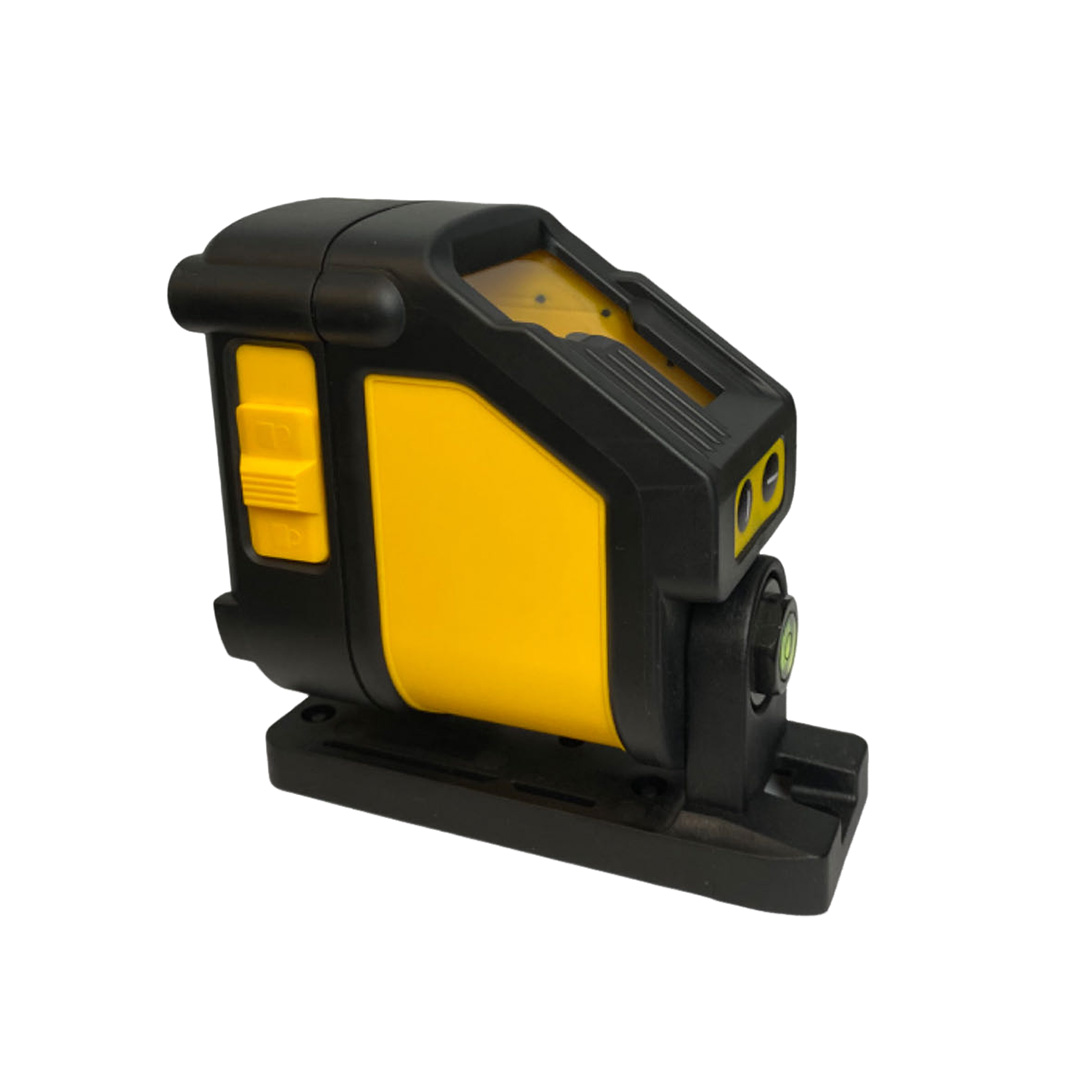
brightergreen beamwill save you significant time and frustration. - You need the absolute best visibility possible without a detector. For certain interior layout tasks, being able to quickly and clearly see your line from across the room is a game-changer for efficiency. The Laser Level SG-LL16-OA3 is a prime example of modern
green lasertechnology designed for these exact scenarios.
How Do Laser Detectors Work with Red and Green Lasers?
It's important to know that laser detectors are color-specific. You cannot use a detector designed for red lasers to pick up a green beam, and vice versa. When you purchase a laser level, especially for outdoor use, make sure it either comes with a compatible detector or that you purchase the correct one for its beam color. The detector works by sensing the pulsating laser beam from the level. Higher-end laser levels often have a specific "pulse mode" designed to make the beam easier for the detector to locate, which also helps conserve battery life.
Making the Final Call: Which Laser Level is Best for You?
The debate of green vs. red isn't about one being definitively better than the other; it's about choosing the right type of laser level for the work you do.
| Feature | Red Laser Level | Green Laser Level |
|---|---|---|
| Visibility | Good for indoors/low-light | Excellent; up to 4x brighter |
| Best Use | General indoor & all outdoor (with detector) | Bright indoor environments |
| Battery Life | Longer | Shorter (but improving) |
| Cost | More affordable | More expensive |
| Outdoor | Requires a detector | Still requires a detector |
To make an informed decision, honestly assess your primary work environment. Don't pay a premium for a green laser if you're a landscaper who will be using a detector 100% of the time. Conversely, don't frustrate yourself with a hard-to-see red line if you're a commercial electrician working in brightly lit spaces. The right tool will not only improve your accuracy and efficiency but also make your workday easier. Our advanced 16-line laser levels are built for maximum visibility and precision for those who need the best.
Final Takeaways
- Green is for Visibility: The main reason to choose a
green laser levelis its superior brightness, making it ideal for well-lit indoor job sites. - Red is for Value and Runtime:
Red laser levelsoffer excellent performance at a lower cost and providelonger battery life, making them a practical workhorse for many applications. - Detectors are for the Outdoors: For any serious
outdoor use, alaser detectoris essential, regardless of the laser's color. - Match the Tool to the Task: Consider your budget, typical work environment, and whether you prioritize
visibilityover battery life to choose thelaser level for your needs.
Post time: 9 月-24-2025