
Security is an investment, not an expense. As a manufacturer of high-precision tools, I understand that the mechanism inside a device is just as important as the exterior casing. Whether you are protecting valuable documents, heirlooms, or firearms, the safe you choose is the final barrier between your possessions and the outside world. But here lies the great debate that has puzzled procurement officers like Mark and homeowners alike: which is the best safe locking mechanism? Should you trust the traditional mechanical dial lock or the modern convenience of an electronic safe lock?
This guide delves deep into the pros and cons of mechanical vs electronic systems. We will explore the reliability of the dial, the speed of the keypad, and the new wave of biometric technology. By understanding the inner workings of these locks vs one another, you can make an informed decision that aligns with your specific security needs.
What Defines a Mechanical Safe Lock and How Does it Work?
The mechanical safe lock is the classic image of security. Think of bank vaults in old movies; that spinning dial is a testament to precision engineering. A mechanical lock uses a series of internal wheels, known as tumblers, which must be aligned perfectly to release the bolt and open the safe. This lock type has been around for over a century and remains a standard in the industry because of its sheer reliability.
Using a mechanical dial lock requires patience and precision. To unlock the safe, you typically must spin the dial left, then right, then left again to specific numbers. This process aligns the internal gates of the lock. Unlike a digital system, there is no electronic component to fail or battery to replace. It is purely physics and geometry working in harmony. For someone like me who runs a factory with seven production lines, I appreciate the mechanical endurance of these devices. They are built to last, often outliving the owner of the safe.

The Pros and Cons of Mechanical Safe Locks: Are They Still Relevant?
When weighing the pros and cons of mechanical locks, longevity is the biggest pro. These locks are known for their durability. A high-quality group 1 lock or Group 2 mechanical lock from brands like Sargent and Greenleaf can function flawlessly for decades without maintenance. They are immune to EMP (Electromagnetic Pulse) attacks, which is a specific concern for some safe owners preparing for doomsday scenarios. Furthermore, a mechanical safe does not depend on batteries, so you never have to worry about power failure denying you access to the safe.
However, there are downsides. Unlocking a mechanical lock is slow. It requires dialing a combination precisely; if you are off by a fraction of a number, you have to start over. This can be stressful in an emergency. Additionally, changing the combination is not a DIY task. You generally need to call a locksmith to change the code on a mechanical dial lock using a special change key. This lack of user-friendliness is why many are switching to digital options.
What is an Electronic Safe Lock and Why is it Popular?
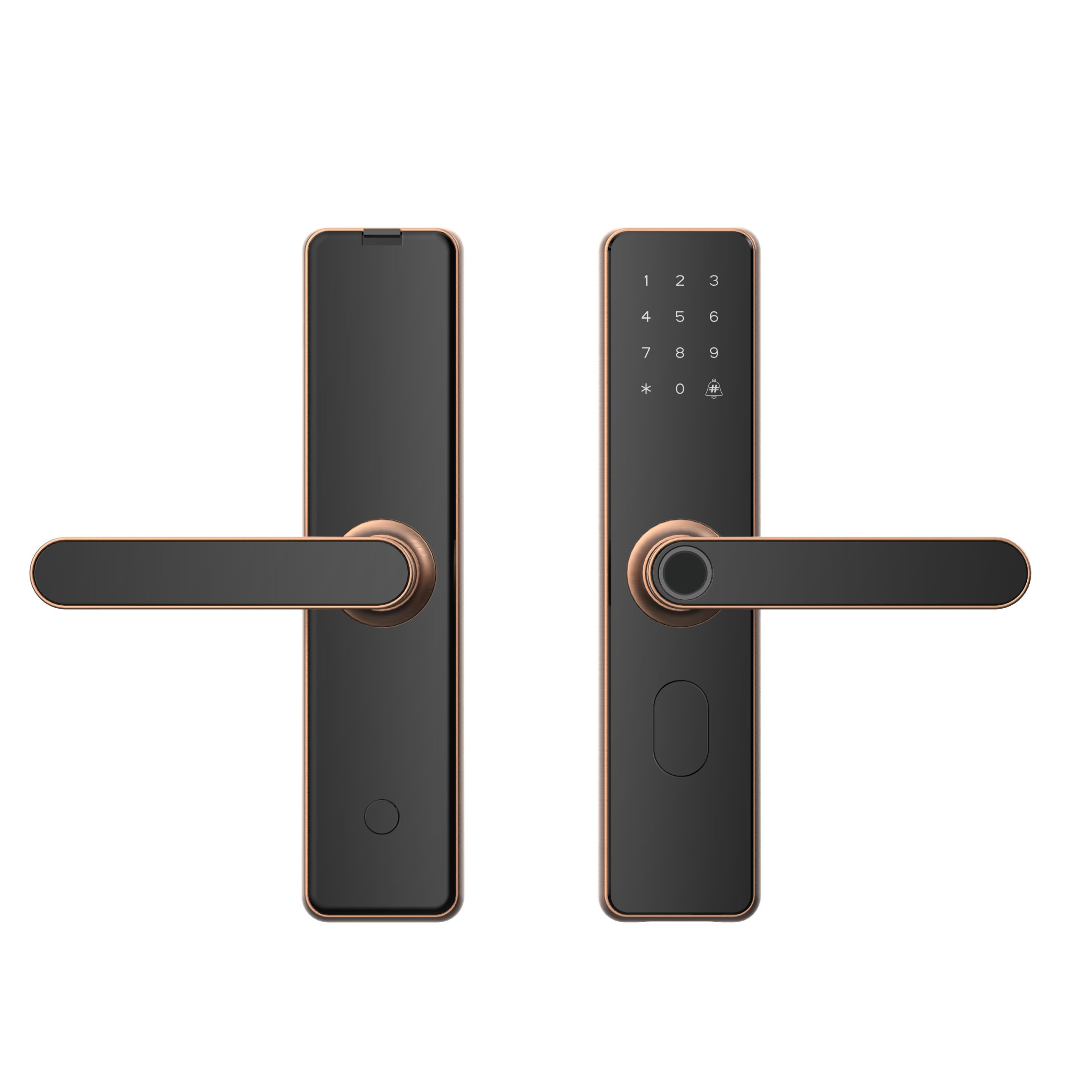
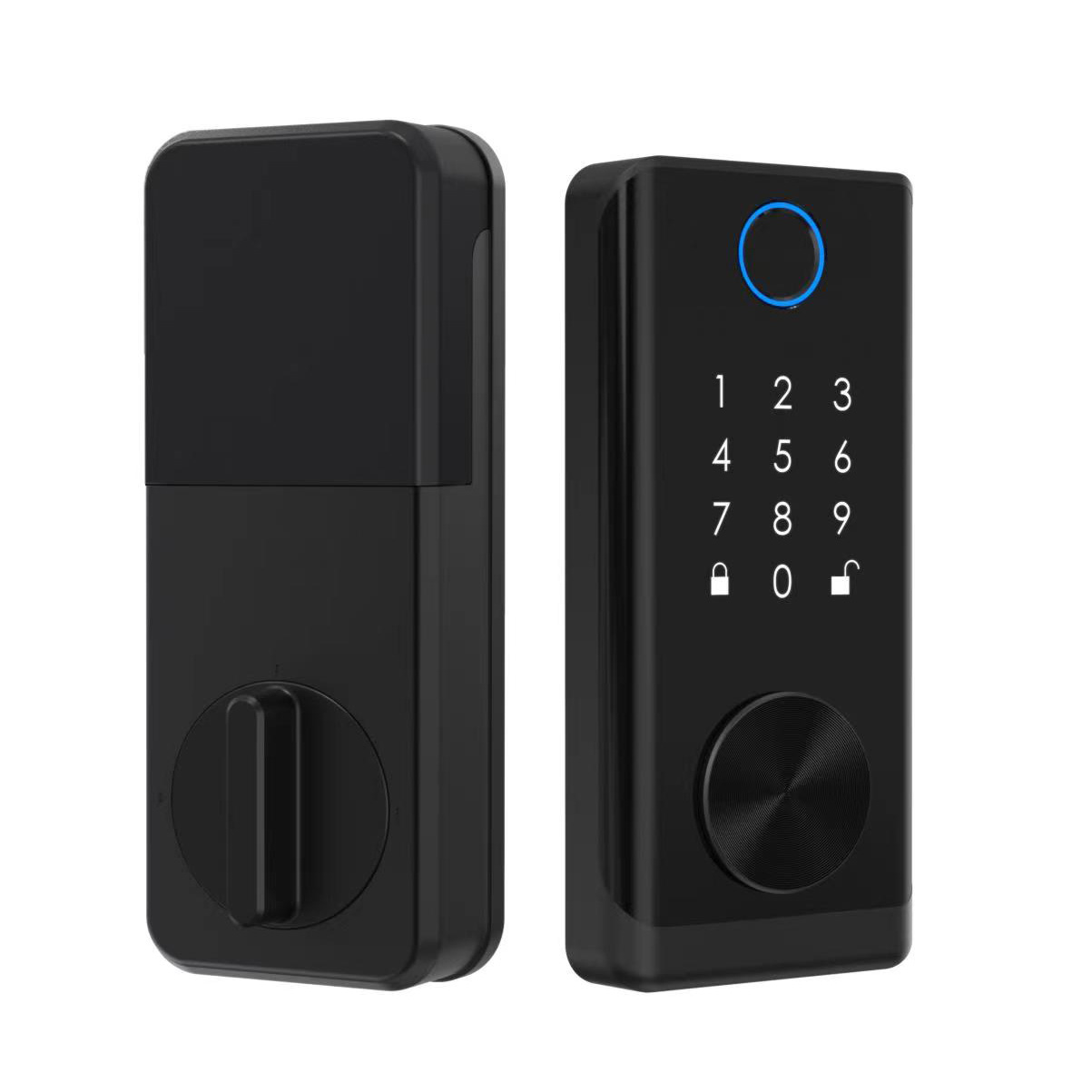
An electronic safe lock replaces the spinning tumblers with a circuit board and a keypad. To unlock, you simply enter your code on the number pad. Upon entering the correct sequence, an electrical signal engages a solenoid or motor that retracts the locking bolt, allowing you to turn the handle and open your safe. Brands like Securam and Liberty Safe have popularized these locks for residential use because they offer an incredibly user-friendly experience.
The popularity of the electronic lock stems from convenience. We live in a digital age where we are used to instant gratification. Electronic locks allow the user to access their valuables in seconds. Additionally, many electronic locks come with advanced security features such as penalty lockouts (where the lock shuts down after too many wrong attempts) and time delays, which are excellent deterrents against theft.
Electronic Safe Locks: Pros and Cons for Modern Security
Let's look at the advantages and disadvantages of the digital route. The primary advantage of an electronic lock is quick access. In a high-stress situation, such as a home invasion where you need to access a gun safe, punching in a 4-digit code is much easier than trying to precisely turn the dial of a mechanical unit with shaking hands. Furthermore, changing the combination code is simple. You can usually do it yourself in a few minutes without needing an expert or locksmith.
The cons, however, usually revolve around reliability and power. The most common issue is when the battery dies. While reputable locks retain the code even without power, you still need to replace the battery to operate the lock. There is also a higher failure rate compared to mechanical locks simply because electronic components can degrade over time, succumb to moisture, or fail due to a short circuit. While high-quality electronic locks are robust, they generally do not have the same multi-decade lifespan as a mechanical dial lock.

Mechanical vs Electronic Safe Locks: Which Offers Better Security?
When comparing mechanical vs electronic security, it is not just about which is harder to break into, but how they are defeated. A mechanical safe lock offers high manipulation resistance. It takes a skilled professional considerable time to manipulate a dial to find the combination. However, electronic locks provide better protection against "manipulation" because there are no tumblers to feel or listen to.
On the flip side, electronic safe locks can be vulnerable to brute force attacks if not equipped with a lockout penalty. However, most modern certified locks offer this protection. Ultimately, both types of safe lock, if certified (e.g., UL Listed), provide excellent protection against unauthorized access. The security gap is often less about the lock type and more about the construction of the safe itself—the steel thickness and door rigidity. It is worth noting that sophisticated smart home security locks are beginning to influence the safe market, bringing even more features to the table.
Does a Biometric Lock Offer Better Protection Than a Keypad?
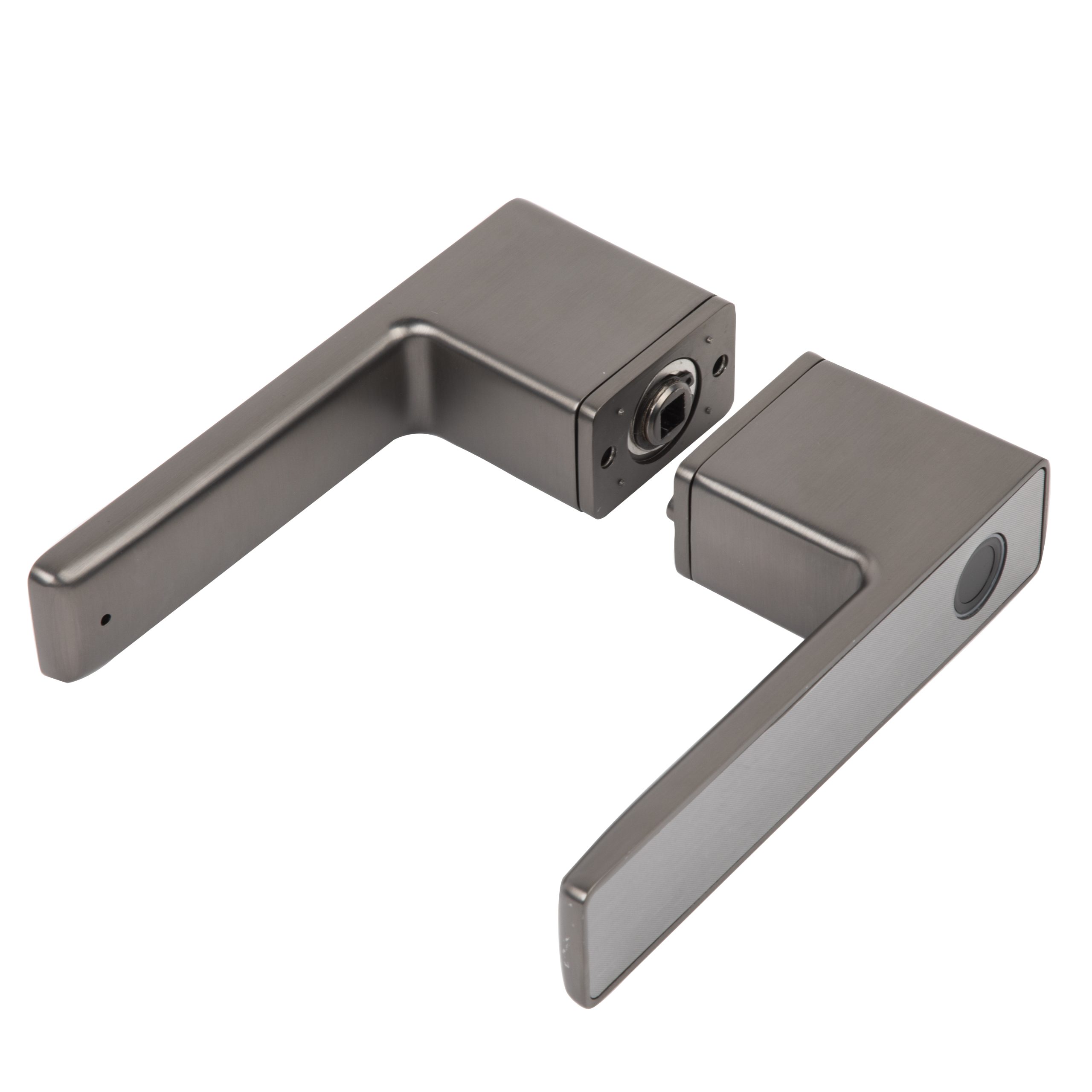
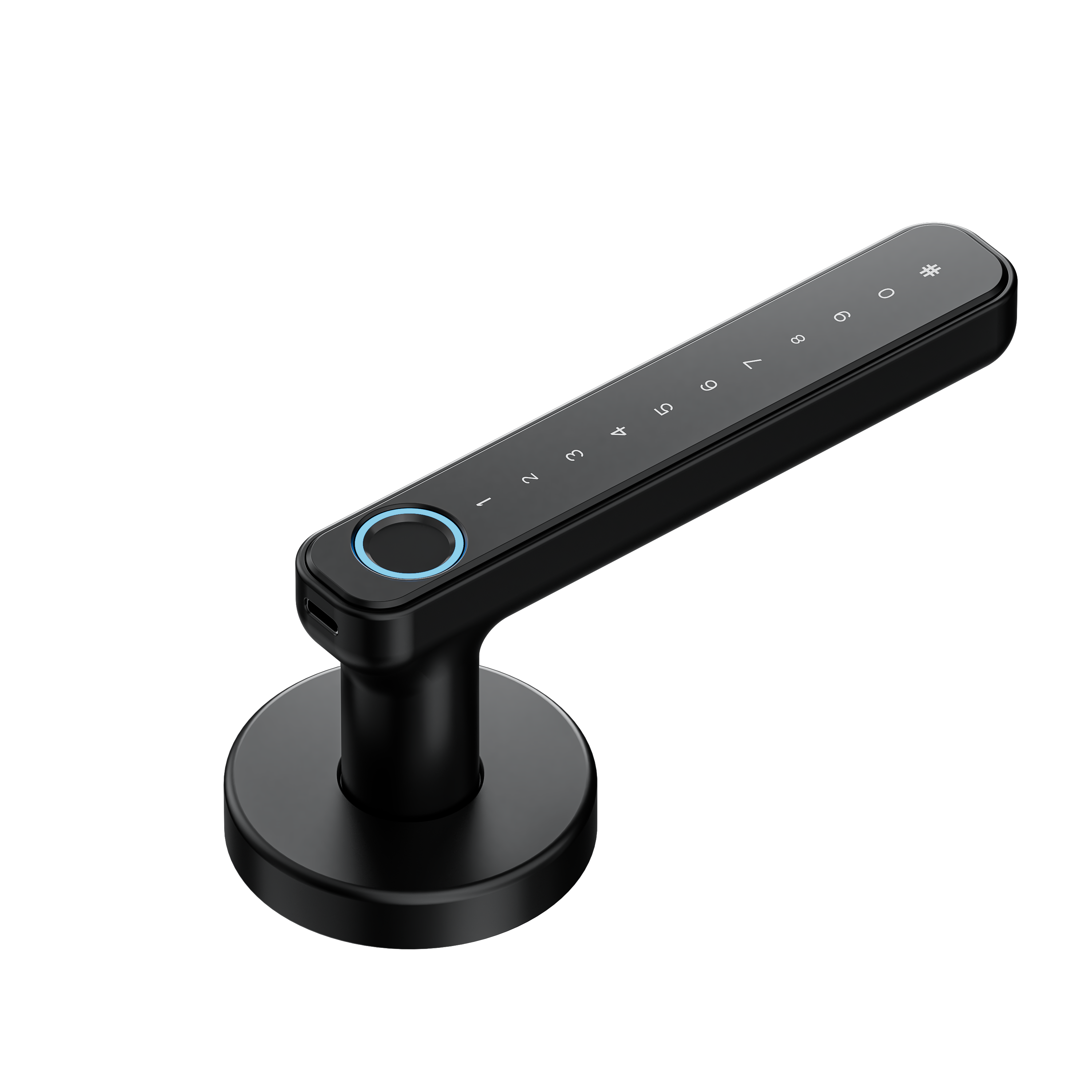
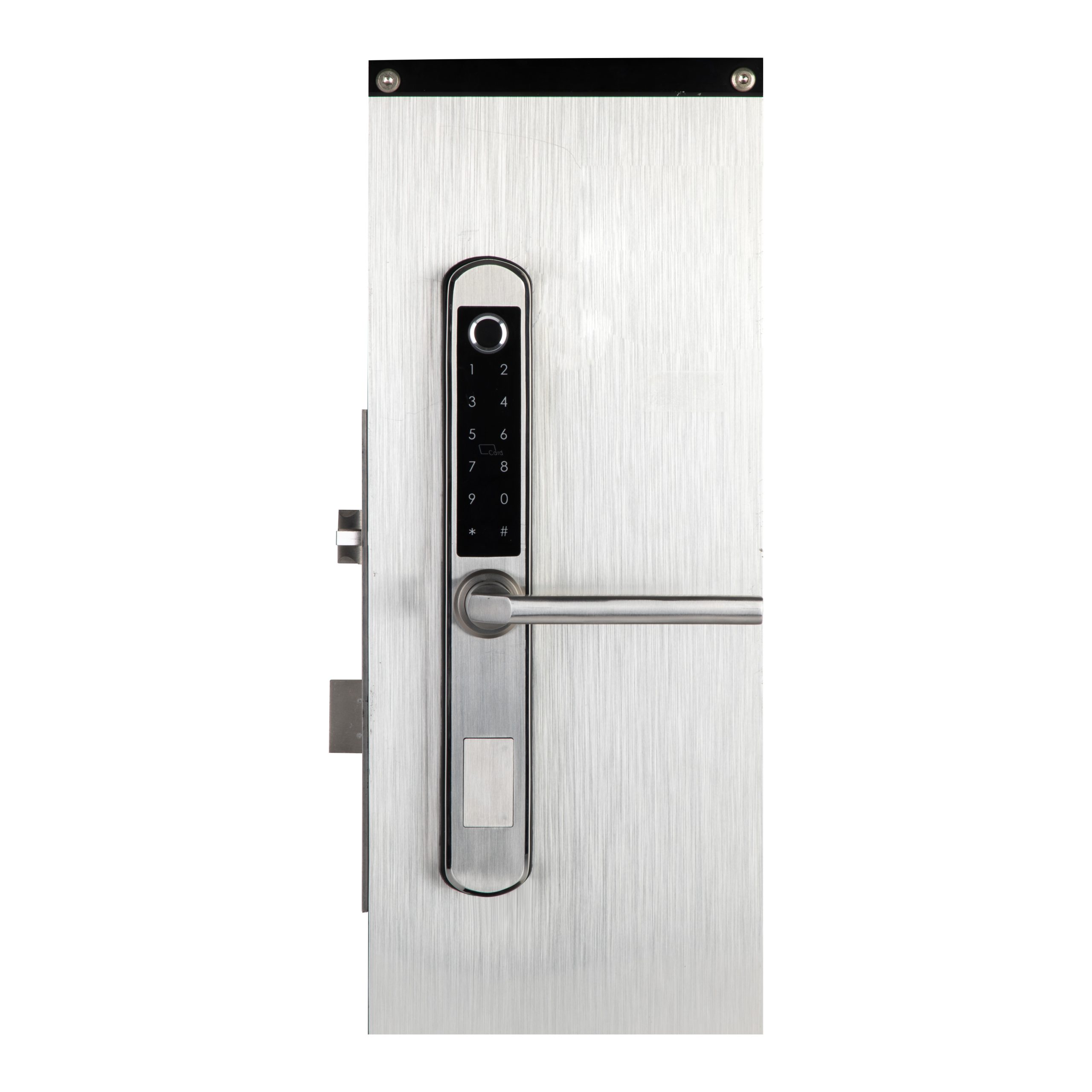
The biometric lock is the newest evolution in safe security. Instead of, or in addition to, a keypad, these locks use a fingerprint scanner to grant access. The allure of biometric technology is undeniable: your fingerprint is your key. This offers the fastest possible entry, often unlocking the safe in under a second. For a gun safe kept for home defense, this speed is a critical factor.
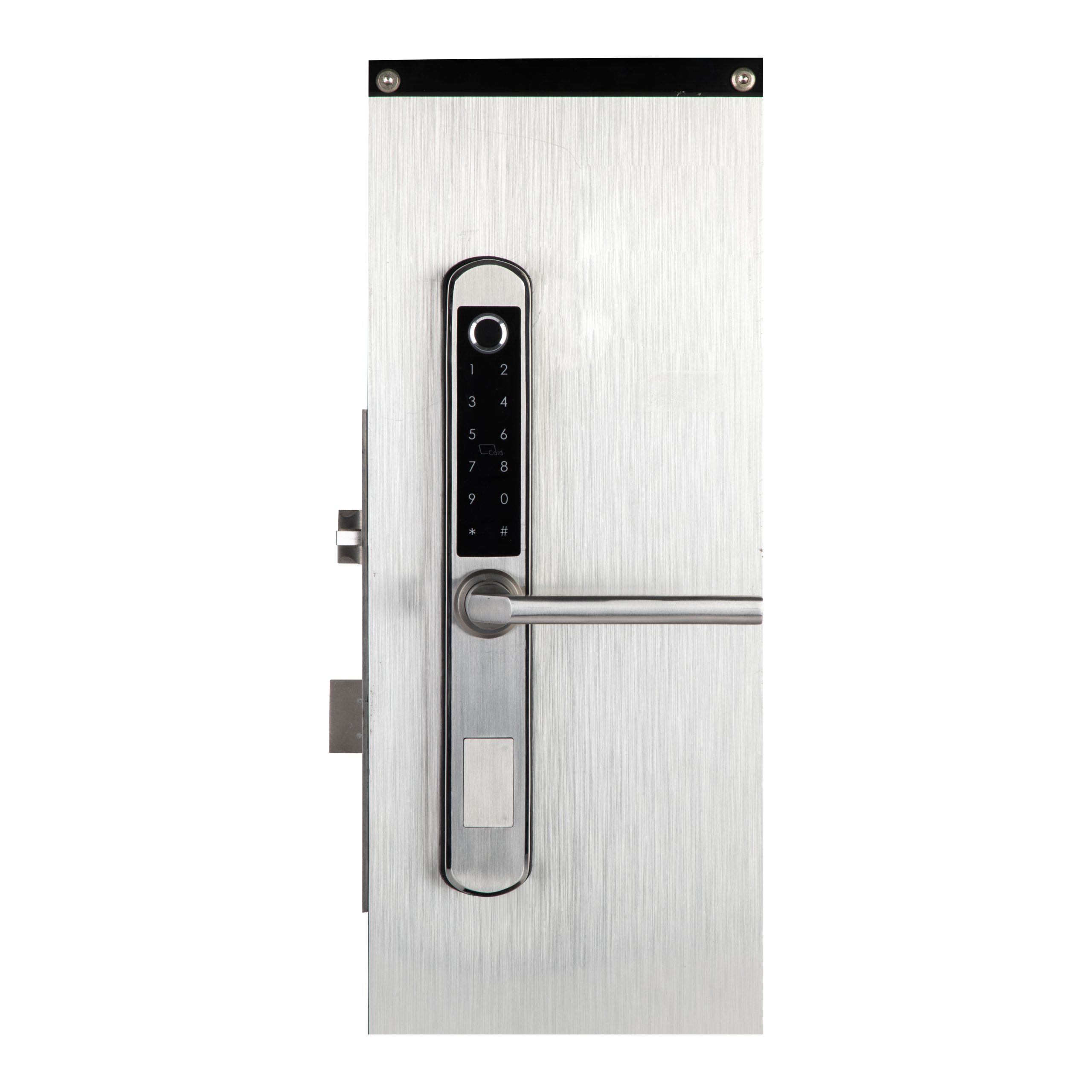
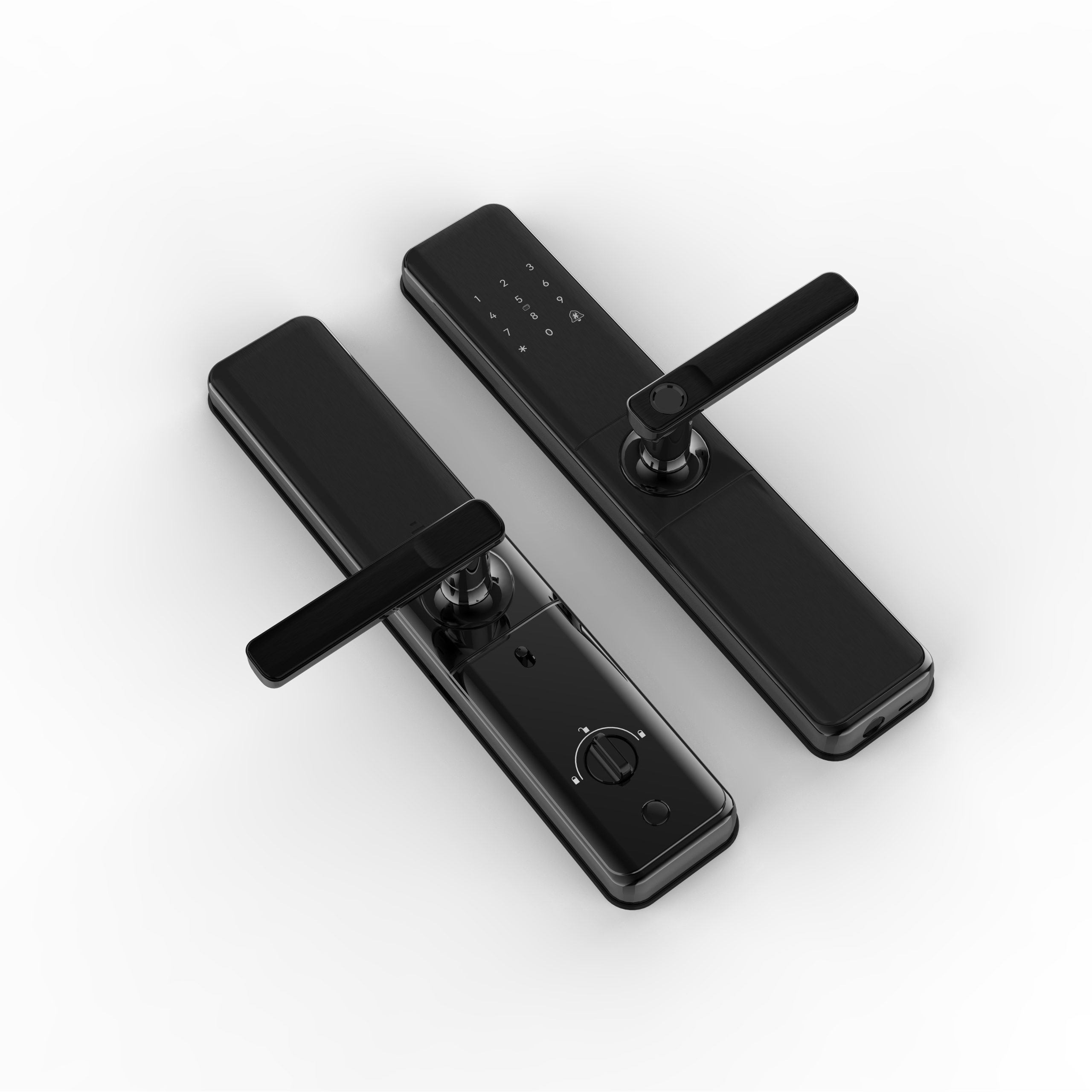
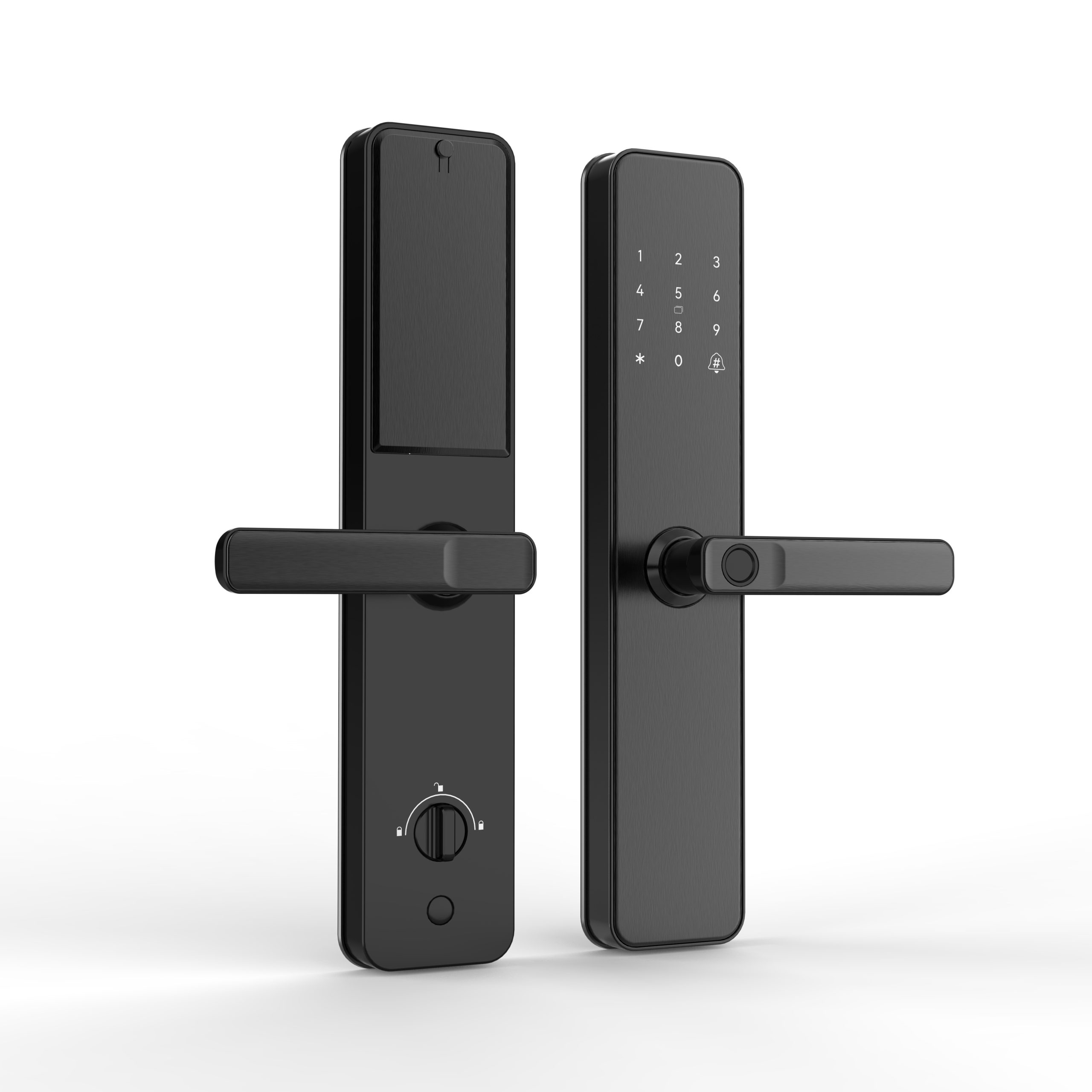
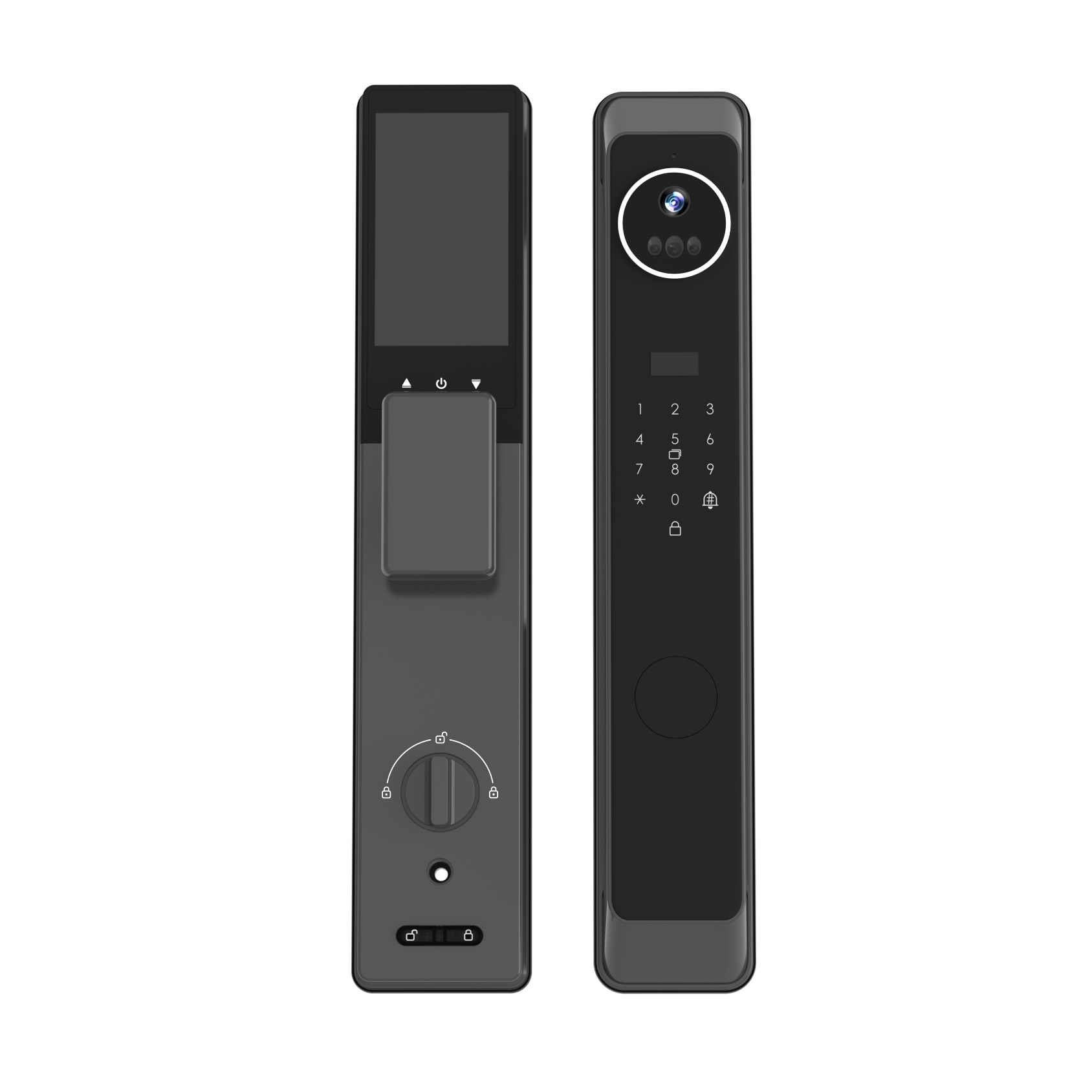
However, biometric systems have their own set of pros and cons. Reliability can be an issue with cheaper models. Dirty fingers, wet hands, or cuts can prevent the scanner from reading your print, locking you out. While high-quality electronic biometric locks are improving, many experts recommend getting a safe with a mechanical lock backup or a keypad override just in case the biometric scanner fails. If you are interested in advanced biometric tech, you can see how it's applied in residential Tuya 3D face smart locks for an idea of where the technology is heading.
What Happens When the Battery Dies or You Forget the Combination?
This is the nightmare scenario for any safe owner: being locked out of your safe. If you have a mechanical dial lock and you forget the combination, your options are limited. You cannot reset it from the outside. You will likely have to call a locksmith to drill the safe open, which destroys the lock and often damages the safe. This is why recording your combination in a secure place outside the safe is vital.
With an electronic safe, if the battery dies, it is usually a minor inconvenience. most keypad units have the battery compartment accessible from the outside, or they have contact points where you can hold a fresh 9-volt battery to the lock to give it enough power to enter your code. If the electronic mechanism itself fails, however, you are in the same boat as with a mechanical failure—drilling is required. Some electronic safes come with a backup key lock (override key), which is a great feature to look for. Just make sure you don't lock the backup key inside the safe!
Why Liberty Safe and Other Brands Offer Both Lock Types?
Major manufacturers like Liberty Safe, Browning, and Fort Knox understand that different customers have different needs. They usually offer the option to choose between a mechanical or electronic lock on the same safe model. This allows them to cater to the traditionalist who wants a heritage piece with a dial, as well as the modern user who prioritizes quick access.
For a business procurement officer like Mark, understanding this variety is key. When sourcing safes or security equipment, knowing that liberty safe and others provide these options allows for better inventory planning. You aren't just buying a box; you are buying a lock system. Brands often use third-party locks from Sargent and Greenleaf (S&G) or Securam because these companies specialize specifically in locks and carry the necessary UL certifications (like Group 1 or Group 2). Just like we use precise brushless drills for assembly, safe manufacturers use specialized components for security.
Mechanical or Electronic: Which Safe Lock is Best for Quick Access?
If speed is your top priority, the winner is clear: the electronic lock (specifically keypad or biometric). Dialing a combination on a mechanical lock takes time. You have to be precise. You have to visually look at the numbers. In the dark, this is almost impossible without a flashlight.
An electronic safe lock allows you to navigate the keypad by feel, even in low light (many are backlit). A biometric lock is even faster. For a gun safe intended for emergency defense, relying on a mechanical dial lock could cost you valuable seconds. However, for a safe that stores birth certificates, gold bullion, or jewelry that you only access once a month, the speed of access is irrelevant, and the reliability of a mechanical safe becomes the more attractive feature.

Making the Choice: How to Select the Right Lock for Your Gun Safe?
Choosing the right safe lock ultimately depends on your specific needs and what you value more: speed and convenience, or longevity and simplicity.
Here is a quick summary to help you decide:
- Choose a
Mechanical Lockif: You want alockthat will last a lifetime with zero maintenance; you live in an area with extreme weather or fear EMPs; you rarely access the contents of thesafe; you don't want to worry about batteries. - Choose an
Electronic Lockif: You needquick access(e.g., for home defense); you have poor eyesight and struggle with small dial numbers; you want the ability to change the combination yourself; you want features like audit trails (seeing who opened thesafeand when). - Choose a
Biometric Lockif: Speed is the absolute most important factor, and you are willing to pay a premium for high-quality tech.
In the debate of mechanical vs mechanical (Group 1 vs Group 2) or mechanical safe locks and electronic, there is no single "wrong" answer, provided you buy a quality unit. Avoid cheap, unrated locks found on bargain safes. Whether you choose to spin the dial or punch a code, ensuring your safe has a reliable lock mechanism is the key to true peace of mind.
Key Takeaways
- Reliability:
Mechanical locksare king for durability and require no batteries. - Speed:
Electronic locks(and biometrics) offer the fastest access, crucial forgun safeowners. - Maintenance:
Mechanical locksrequire alocksmithto change the code;electronic locksallow user code changes but need battery replacements. - Security: Both
mechanical and electronic safe locksoffer excellent security if they are UL Listed. - Preference: The
best safelock is the one that fits your lifestyle—whether that's the "set it and forget it" nature of adial lockor the daily convenience of akeypad.
Post time: 11 月-22-2025