









In the world of construction, storage, and portable buildings, efficiency is everything. For decades, the traditional shipping container has been a go-to for its ruggedness, but its bulk and difficult transport have always been a challenge. Enter the game-changer: the flat pack container. This innovative solution offers the strength and versatility of a steel container but with a revolutionary twist—it arrives flat packed and can be assembled on-site. As an expert in modular building solutions, I’ve seen firsthand how these demountable units are transforming industries. This guide will walk you through everything you need to know, from the easy assembly to the incredible cost savings, helping you understand why you should choose a flat pack container for your project.
What Exactly is a Flat Pack Container and How is it Demountable?
At its core, a flat pack container is a modular building unit whose components—the floor, roof, and wall panels—are manufactured in a factory and then transported to a site in a "flat-packed" state. Think of it like a giant, industrial-strength piece of IKEA furniture. Instead of arriving as a large, pre-assembled box, the containers come as a stack of separate panels. These individual pieces are then easily assembled on location to form a complete, structurally sound unit. This method dramatically reduces transportation costs and logistical challenges.
The term demountable is key to understanding their flexibility. Because flat pack containers are designed to be bolted or clipped together, the assembly process is completely reversible. This means a demountable container can be assembled and disassembled multiple times throughout its lifespan. This feature is invaluable for temporary applications like event kiosks, construction sites, or disaster relief housing. You can erect a temporary office for the duration of a project, and once it's complete, dismantle the unit and move it to the next job site, making it a highly sustainable and reusable asset. This demountable nature is what sets it apart as a truly flexible building solution.
How Does a Flat Packed Unit Differ from a Standard Shipping Container?
While they may look similar once assembled, a flat pack container and a standard shipping container are designed for fundamentally different purposes. A traditional shipping container is built for the rigors of international freight. It has corrugated steel walls and a heavy-duty frame designed to be stacked high on a cargo ship and withstand extreme weather. However, this robust construction makes it incredibly heavy, difficult to transport on land, and challenging to modify. Cutting windows or doors into a shipping container compromises its structural integrity and requires specialized labor.
In contrast, a flat packed storage container is engineered specifically for use as a building or storage solution. The wall panels are often insulated sandwich panels (steel sheets with an insulating core), making them far more energy-efficient for human occupancy from the get-go. They are designed for easy assembly and disassembly. The most significant difference is in logistics. You can fit multiple flat-packed units into the same space that one standard shipping container would occupy on a truck, drastically cutting delivery costs and making them ideal for remote locations where a large crane and truck access is limited.
What Are the Main Benefits of Flat Pack Containers for Businesses and Individuals?
The benefits of flat pack containers are numerous, making them an attractive option for a wide range of applications. For business owners and project managers, the advantages are clear and impactful, directly affecting the bottom line and operational efficiency.
Key Benefits Include:
- Reduced Transportation Costs: This is the most significant advantage. Shipping a
flat packedunit is significantly cheaper than transporting a pre-built container.Due to their compactsize when dismantled, more units can be shipped per truckload, reducing fuel consumption and freight charges. - Accessibility: Their
flat packednature means they can be delivered to tight or remote locations that would be inaccessible to the large cranes and trucks required for traditional containers. - Speed of Assembly: A basic
flat pack containercan be assembled in just a few hours with a small team and basic tools. This rapid deployment is crucial for projects with tight deadlines, such astemporary housingor event structures. - Flexibility and Modularity: These
containers offerincredible design freedom. They can be used as single units or easily joined together, side-by-side or end-to-end, tocreate a larger, customconfigurationfor offices, classrooms, or homes. - Reusability: Being
demountable, these containers can be used for temporary projects, thendismantled and reassembledelsewhere. This makes them a sustainable andcost-effectivelong-term investment.
How Simple is the Assembly Process for a Flatpack Container?
The term "easy assembly" is not just a marketing buzzword; it's a core design principle of the flat pack container. These units are specifically designed to be easily assembled by a small crew with minimal technical expertise. While the exact steps can vary slightly between manufacturers, the general assembly process is straightforward. It typically begins with laying out the floor base on a level surface. The corner posts are then erected and bolted into place, followed by slotting in the wall panels. Finally, the roof structure is lifted (often with a small forklift or crane for safety) and secured to the top of the corner posts.
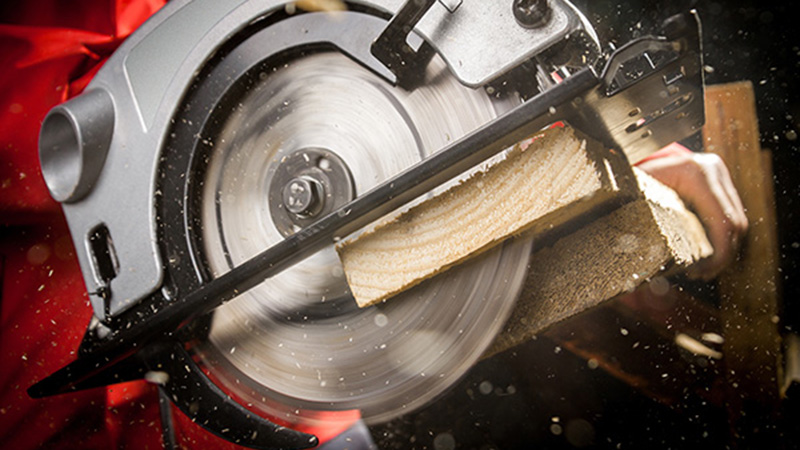
The whole process is faster and requires less heavy machinery compared to traditional construction. While professional installation is always an option, many find that it's a manageable DIY project. Having the right equipment can make a huge difference. For instance, building custom shelving or making modifications for windows is a common next step, and a reliable tool like a cordless circular saw is perfect for these tasks. Depending on the size and complexity, a standard storage unit can be put together in a single afternoon, making the flat packed model a truly rapid building solution.
Can You Create a Larger, Modular Space with Flat-Pack Containers?
Absolutely. This is where the true power of modular design shines. A single flat pack container is a versatile space, but they are engineered to be combined to create a larger and more complex structure. Because they are manufactured to precise, standard sizes, they connect together seamlessly. You can join them side-by-side to create a wide-open office space, or end-to-end to form a long dormitory or classroom block.
This modular capability allows for incredible customization. The wall panels between joined units can often be omitted during the initial assembly process, creating an open-plan interior without the need for post-construction demolition. This makes flat-pack containers an ideal choice for everything from expanding worksite offices to creating multi-room living space or even pop-up retail villages. This inherent scalability means your space can grow with your specific needs, making it a future-proof investment for any growing business or organization.

Are Flat Packed Containers Durable and Secure as a Storage Solution?
A common question is whether something that is easy to assemble can also be strong and secure. The answer is a definitive yes. High-quality flat pack containers are made from durable materials, typically galvanized steel for the frame and steel sandwich panels for the walls and roof. These materials are chosen for their strength, longevity, and weather resistance. Once assembled, the bolted structure is incredibly rigid and robust, designed to withstand significant wind and snow loads.
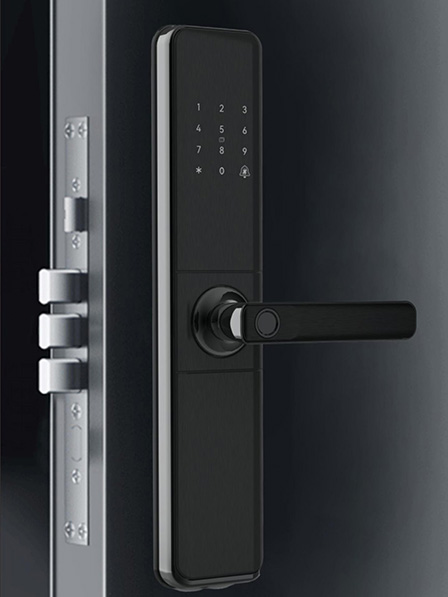
For use as a secure storage unit, these containers provide excellent protection. The steel construction is a major deterrent to theft, and they are typically fitted with sturdy doors and reliable locking mechanisms. Their durability makes them a far superior choice to wooden sheds or flimsy storage facilities. They are built to last and protect valuable equipment, inventory, or personal belongings from both the elements and potential intruders. When looking for flat pack containers for sale, always inquire about the steel gauge and locking systems to ensure you're getting a product that meets your security requirements.
What Are Some Innovative Uses for These Versatile Containers?
While construction sites and portable storage are common applications, the different uses for flat pack containers are becoming increasingly creative. Their clean, modern aesthetic and modular flexibility have made them popular in a variety of sectors, moving far beyond simple metal boxes. The possibilities are truly inspiring.
Innovative Applications:
- Pop-Up Retail & Cafes: Their temporary and
demountablenature makes them perfect for seasonal shops, festival food stalls, and coffee kiosks. - Backyard Offices & Studios: As remote work becomes more common, a
flat packcontainer officeoffers a quiet, separateliving spacein your own backyard. - Emergency & Disaster Relief: They can be rapidly deployed to provide
temporary housing, medical clinics, and command centers in disaster-stricken areas. - School Classrooms: Schools facing overcrowding can quickly add
modularclassrooms to their campus. - Glamping Pods & Holiday Cabins: Their insulated panels and customizable layouts make them a
cost-effectiveoption for creating comfortable and stylish tourist accommodations. - On-Site Workshops: A
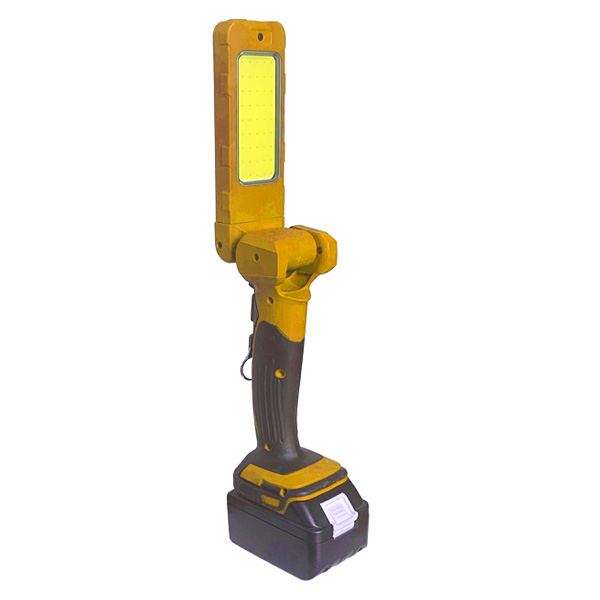
flat pack storagecontainercan be easily converted into a secure and functional workshop. Good lighting is critical in a workshop, and using portable solutions like a cordless SMD work light ensures you can see what you're doing anywhere inside the unit.
How Do Flat Pack Containers Come Delivered and What's Needed On-Site?
Understanding the delivery and on-site requirements is crucial for a smooth project. Demountable containers come delivered on a standard flatbed truck, neatly stacked and bundled. As mentioned, this is a huge logistical advantage, as multiple flat pack containers can often fit in a single delivery, saving significant transportation costs. Upon arrival, the bundle can be offloaded with a forklift or a small crane, a much simpler process than maneuvering a massive, fully-built container.
The primary requirement for the site is a firm, level foundation. This doesn't necessarily mean a concrete slab (though that is an excellent option). A base of compacted gravel, paving stones, or railway sleepers can also suffice. The goal is to ensure the flat pack container has a stable and level surface to rest on, which is critical for proper door alignment and overall structural stability. You'll also need a small, clear area around the foundation to lay out the components and carry out the assembly process.
How Truly Cost-Effective is a Flat Packed Building Solution?
When evaluating container options, cost is always a major factor. The flat pack container is a remarkably cost-effective solution, but the savings come from several areas, not just the initial purchase price. The most immediate saving is on delivery. The reduced size and weight of a flat packed unit can cut transportation costs by up to 75% compared to a pre-assembled unit. This alone can make a huge difference in the overall project budget.
Furthermore, the easy assembly translates into significant savings on labor costs. You don't need a large, specialized construction crew. A few general laborers can assemble a container in hours, not days. The modular and demountable nature of the product also adds long-term value. Instead of demolishing a temporary structure after a project, you can disassemble your flat pack container and reuse it, providing an excellent return on investment. This combination of lower transport, labor, and lifecycle costs makes it an incredibly smart financial choice for businesses and individuals alike.
How Do I Choose the Right Flat Pack Container for My Specific Needs?
Selecting the right container for your project involves considering a few key factors. First, define the primary purpose. Will it be for secure storage, a temporary office, or a living space? This will determine the level of insulation, the number of windows and doors, and the interior finish you need. Customization options are often available, allowing you to meet your specific needs perfectly.
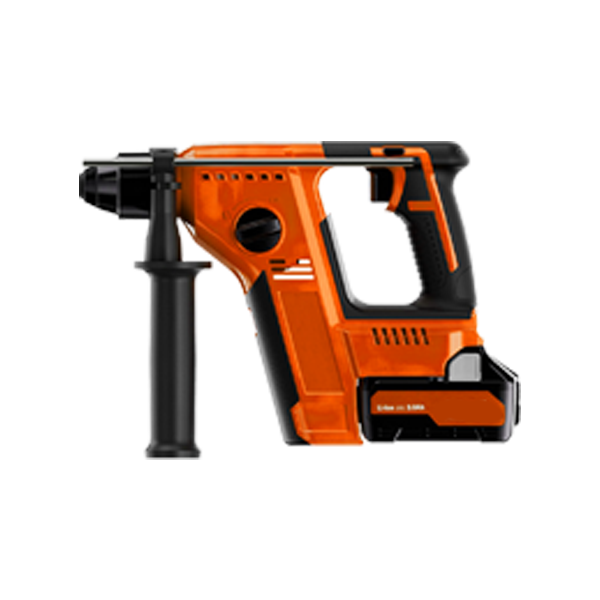
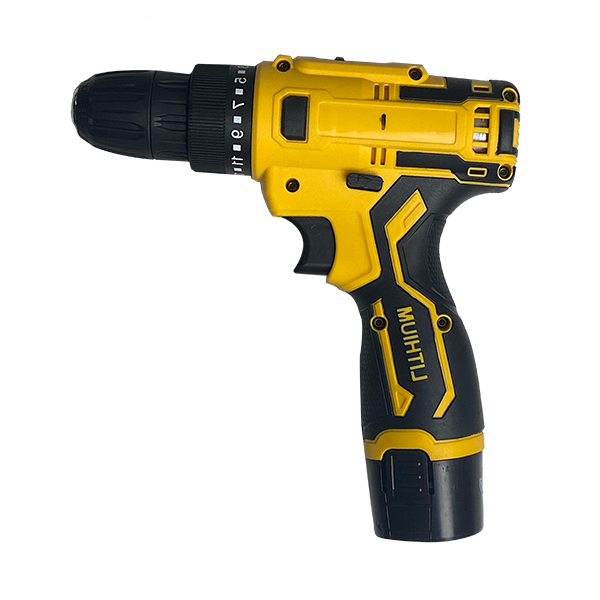
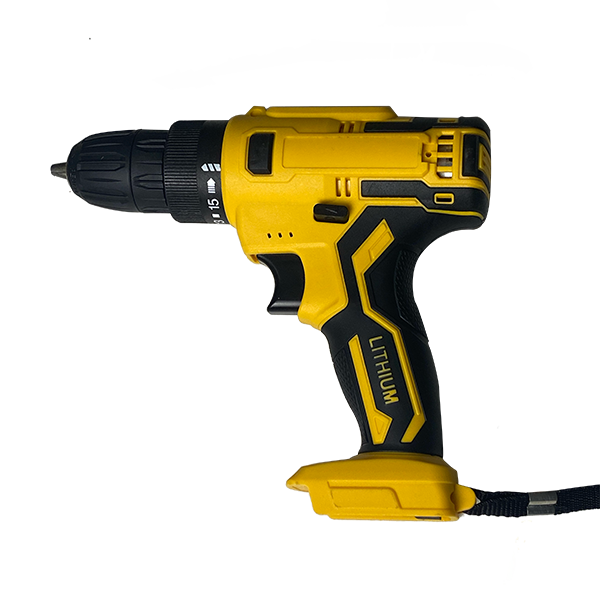
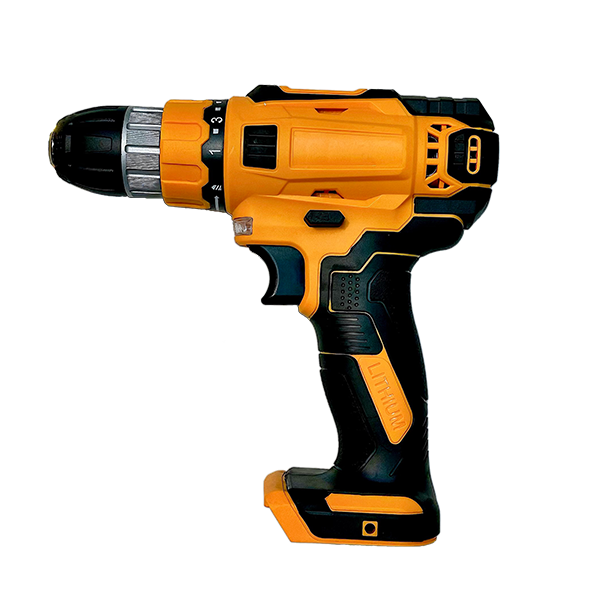
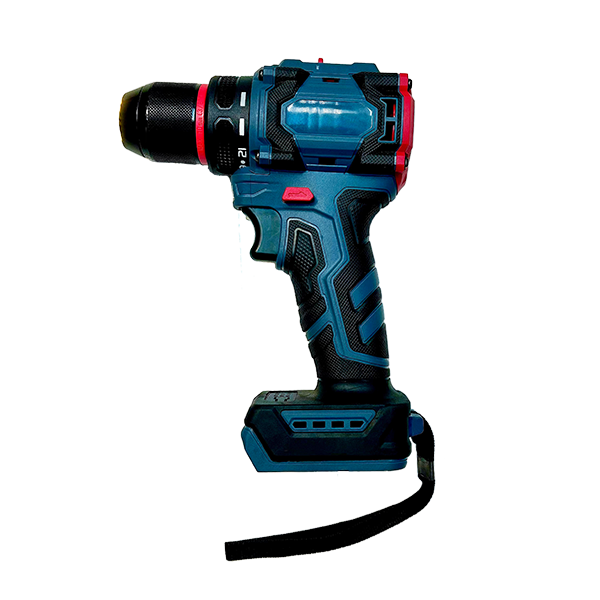
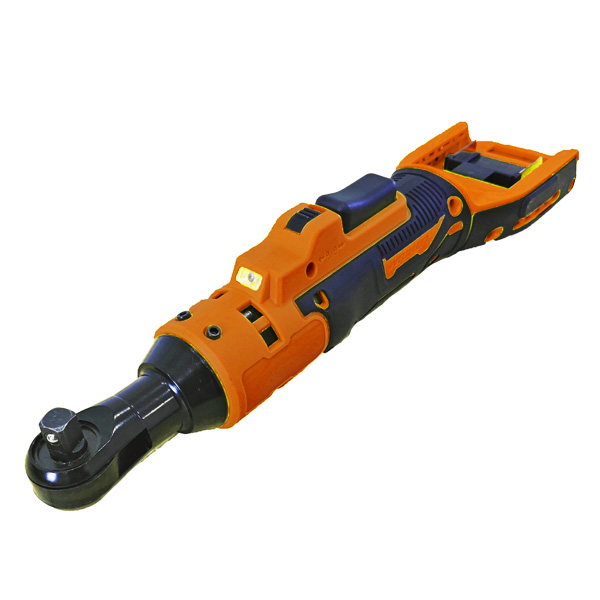
Next, consider the size. Flat pack containers come in standard sizes, but you can also create custom dimensions by joining modular units. Measure your site and plan your required storage space or floor area carefully. Finally, assess the quality. Look for containers for sale from reputable suppliers who use high-grade steel and quality insulation. Ask about warranties, durability, and the locking systems included. Taking the time to choose a flat pack solution that aligns with your needs and quality expectations will ensure a successful and long-lasting investment. The assembly process is often made even easier with the right tools, and having a powerful cordless pistol drill on hand can make quick work of securing panels and fixtures.
Key Takeaways for Your Flat Pack Container Project
- Logistics are King: The primary advantage of a
flat pack containeris the massive savings on transportation and the ability to deliver to hard-to-reach locations. - Assembly is Fast and Simple: These
demountableunits are designed for quick,on-siteassembly with a small crew and basic tools, saving time and labor costs. - Modularity Equals Flexibility:
Flat packedcontainers aremodular, allowing you to connect multiple units to create custom-sized and configured spaces that can grow with your needs. - Durable and Secure: Made from galvanized steel, they offer a robust and secure solution for
storage, offices, and housing, providing excellentweather resistanceand protection. - Versatile for Any Application: From
construction sitesto pop-up cafes and backyard offices, the uses forflat-pack containersare limited only by your imagination.
Post time: 11 月-14-2025